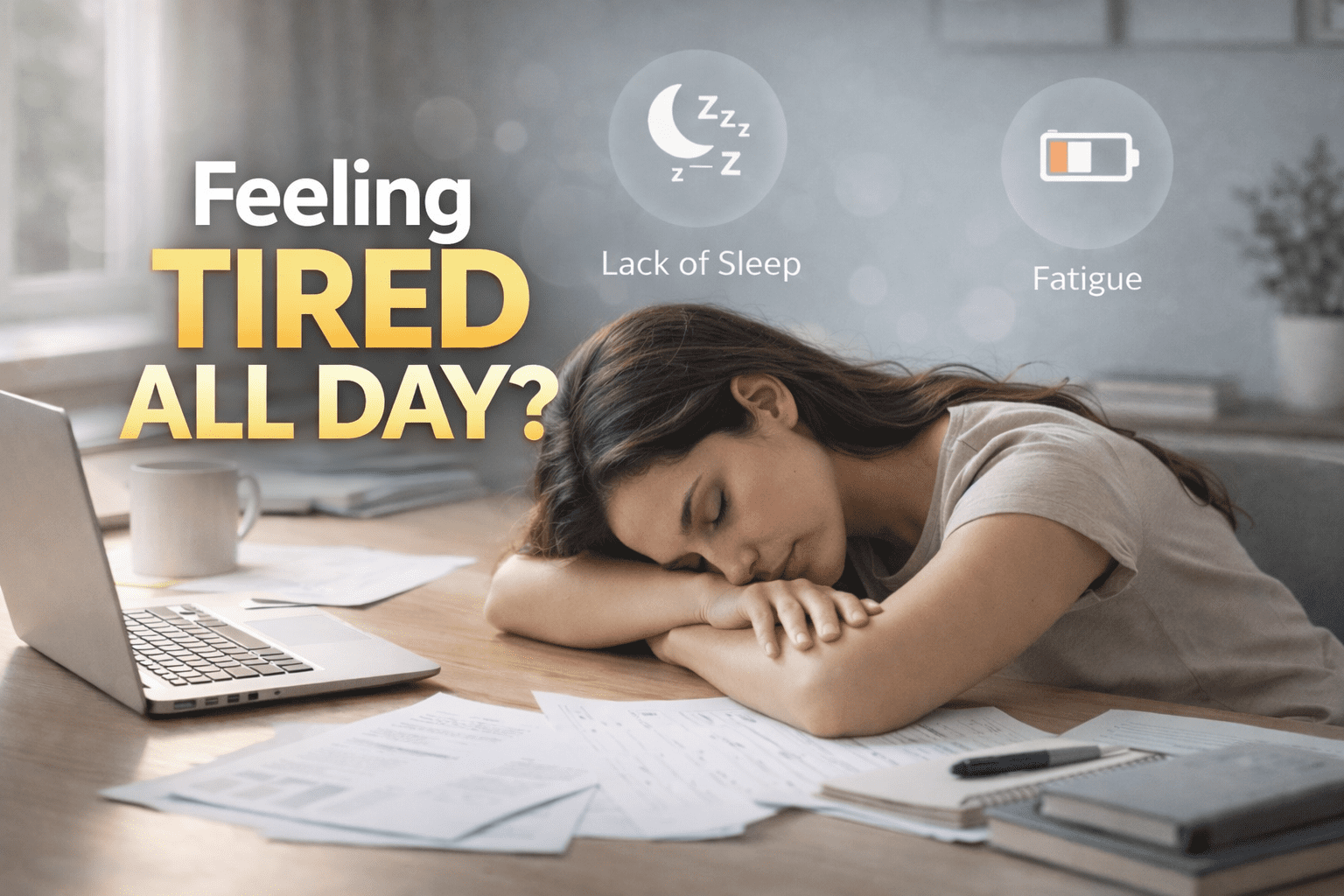
7 Hidden Causes of Fatigue You Should Never Ignore

Your Body Is Trying to Tell You Something
Do you wake up exhausted even after a full night of sleep? You are not imagining it. Those feelings are experienced by millions of people every single day. Persistent fatigue is one of the most common complaints heard in my dietitian practice. It is almost never “just stress.” Your body sends clear signals when something is wrong. Yet those signals are frequently dismissed or misunderstood by many.
The truth is simple — fatigue can come from what you eat. It can also come from how you sleep. Your hormones play a role too. Even an undiagnosed medical condition can leave you feeling drained. Understanding the real cause is the first step. It is also the most important step toward reclaiming your energy and feeling like yourself again.
Is Feeling fatigue All the Time Actually Normal?
Occasional tiredness is completely normal. A long workday can leave you drained. A restless night does the same. Even a common cold can wipe out your energy temporarily. However, fatigue that keeps coming back is different. Fatigue that has no clear explanation is a warning sign. This kind of persistent exhaustion is not something you should push through and ignore. It often points to a deeper issue. That issue could be a nutritional gap. It could be a sleep disorder. It could also be chronic stress or an undiagnosed medical condition. In any case, it deserves proper attention.
7 Evidence-Based Reasons You May Be Constantly Fatigue
1. You Are Not Getting Enough Quality Sleep
Sleep is not a luxury. It is a biological necessity. During sleep, the brain releases growth hormones. These hormones actively repair cells. They also restore the body overnight. According to the American Academy of Sleep Medicine and Sleep Research Society, adults need at least 7 hours of uninterrupted sleep every night to function well.
When sleep cycles are repeatedly disturbed, the body cannot complete its repair process. Both NREM and REM sleep stages get affected. Stress, illness, and poor sleep habits are common culprits. As a result, you wake up feeling unrested — no matter how long you slept. If you consistently struggle to fall or stay asleep, this may indicate insomnia. In that case, consulting a sleep specialist is strongly advisable.
2. Nutritional Deficiencies Are Draining Your Energy
As a dietitian, this is one of the very first areas I look at when a patient reports unexplained fatigue. Your body needs a steady supply of vitamins and minerals. Without them, energy production at the cellular level breaks down. Exhaustion quickly follows.
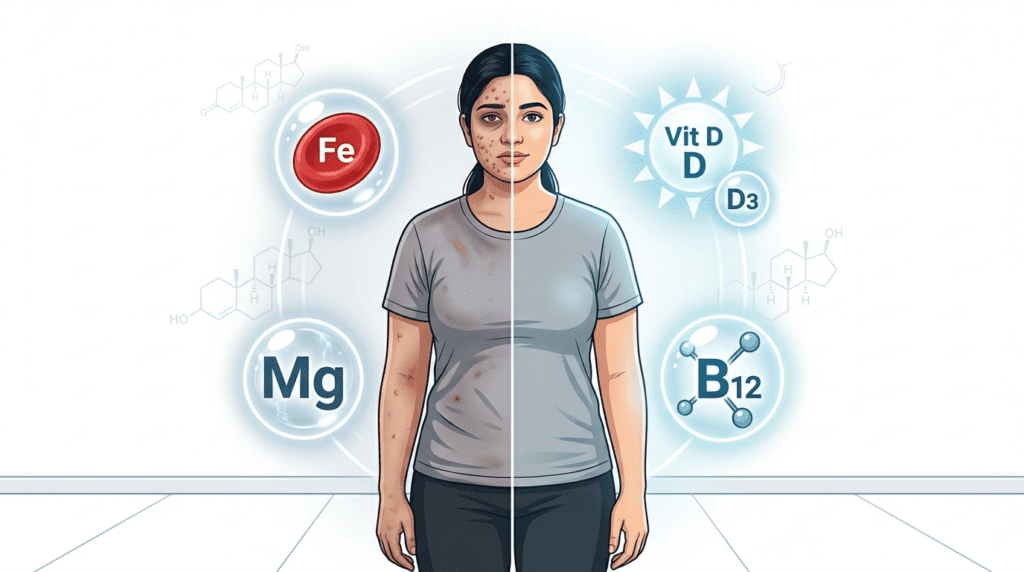
The most commonly implicated deficiencies include:
- Vitamin D — More than 50% of people worldwide have insufficient levels
- Iron — Approximately 12.5% of the global population has iron deficiency anaemia
- Vitamin B12 — Absorption naturally declines with age, making older adults especially vulnerable
- Magnesium and Vitamin C — Both are essential for cellular energy and immune function
Fortunately, a simple blood test can identify these gaps. Correcting them through targeted dietary changes or supervised supplementation often produces a noticeable and lasting improvement in energy levels.
3. Your Diet Is Working Against You
Food is fuel. However, not all food fuels the body equally. When you do not eat enough calories, your body breaks down fat and muscle for energy instead. This leads to weakness. It causes brain fog. It also results in chronic fatigue that builds over time.
Furthermore, a diet high in refined sugars and sugary drinks causes blood sugar to spike and crash erratically. These fluctuations drain your energy throughout the day. They also interfere with your sleep quality at night. Instead, build your meals around fresh fruits, vegetables, and lean proteins like eggs and fish. This supports stable blood sugar, sustained energy, and restful sleep all at once.
4. Chronic Stress Is Exhausting Your System
Stress is a part of modern life. However, long-term and unmanaged stress is far more damaging than most people realise. Over time, chronic stress actually alters brain structure and function. It triggers systemic inflammation throughout the body. In severe cases, it can develop into stress-related Exhaustion Disorder (ED) — a clinically recognised condition marked by deep and persistent fatigue.
While eliminating stress entirely is unrealistic, managing it effectively is absolutely possible. Proven strategies include regular physical exercise, warm baths, mindfulness meditation, and deep breathing techniques. In more complex situations, personalised guidance from a medical professional can make a significant difference.
5. An Underlying Medical Condition May Be the Cause

Fatigue is a hallmark symptom of many diagnosable medical conditions. In numerous cases, exhaustion is not a standalone problem. Rather, it is the body’s way of signalling that something deeper needs attention. Conditions commonly linked to persistent fatigue include:
- Sleep apnoea
- Hypothyroidism
- Type 2 diabetes
- Depression and anxiety disorders
- Kidney disease
- Fibromyalgia
- Multiple sclerosis
- Cancer
The most important thing to understand here is this — when the underlying condition is properly diagnosed and treated, fatigue typically improves significantly. Therefore, persistent tiredness should never be ignored or managed on your own for long periods.
6. Too Much Caffeine Is Backfiring
Many people reach for an extra cup of coffee when they feel tired. However, this strategy often makes things considerably worse. Excessive caffeine disrupts the body’s natural sleep-wake cycle. It overstimulates the nervous system. Over time, it leads to:
- Difficulty falling asleep at night
- Nighttime anxiety and restlessness
- Frequent awakenings during sleep
- Greater daytime sleepiness the following day
The result is a cycle of dependency. You drink more caffeine to fight the very fatigue that caffeine is causing. Reducing your overall caffeine intake helps. Avoiding it entirely after mid-afternoon can meaningfully improve both sleep quality and daytime energy.
7. Excess Body Weight Is Placing Extra Demands on Your Body
Carrying excess weight significantly increases the risk of obstructive sleep apnoea. This is a condition where breathing repeatedly stops and starts during sleep. It interrupts the sleep cycle throughout the night. As a result, severe daytime fatigue follows — even after what appears to be adequate rest. Additionally, obesity is closely linked to type 2 diabetes and depression. Both conditions independently contribute to exhaustion. What makes this especially challenging is that poor sleep can itself promote further weight gain. This creates a difficult cycle. Breaking it requires comprehensive and personalised support from trained healthcare professionals.
When Should You See a Doctor?
If you have been feeling persistently tired for more than a few weeks, it is time to act. Rest alone is clearly not enough. Chronic fatigue rarely has just one cause. More often, it involves a combination of nutritional, lifestyle, and medical factors that must be assessed together. A doctor can run targeted tests. These tests identify deficiencies and rule out underlying conditions. They also help build a personalised treatment plan suited to your specific needs. Alongside medical care, working with a registered dietitian ensures your nutritional foundations are fully supporting your recovery.
Final Thoughts From a Dietitian
Fatigue is your body’s way of asking for help. The good news is that in most cases, the body responds remarkably well to the right interventions. Strategic dietary improvements help greatly. Correcting nutrient deficiencies makes a real difference. Better sleep habits restore your rhythm. Effective stress management protects your energy reserves. Together, these changes can feel genuinely life-changing. Do not accept constant tiredness as your new normal. With the right support and the right information, feeling energised, focused, and well is entirely within your reach.




Post Comment