
How to Treat PCOD Naturally: 10 Effective Tips

When Your Hormones Need a Reset
Every month, millions of women silently struggle. They deal with unexplained weight gain. Stubborn acne refuses to go away. Periods become unpredictable and irregular. Sadly, the root cause is often left unidentified. In many cases, hormonal imbalance is to blame. Polycystic Ovarian Disease (PCOD) is one of the most underdiagnosed conditions in women today. It affects women during their reproductive years. As a practising dietitian, I see this pattern constantly. Many patients have spent years treating symptoms. However, the actual hormonal trigger is frequently missed by them. The encouraging truth is this — your diet and lifestyle can genuinely make a difference. Strategic food choices can restore hormonal balance. Consistent daily habits can significantly improve your quality of life.
Understanding PCOD: More Than Just Ovarian Cysts
Polycystic Ovarian Disease is also called Polycystic Ovarian Syndrome (PCOS). It is a hormonal disorder. In this condition, the ovaries develop multiple small sacs. These sacs are fluid-filled and are known as follicles. Each follicle holds an immature egg. These eggs never fully develop. Because of this, ovulation does not occur.
When ovulation is disrupted, the body’s hormonal balance gets disturbed. Progesterone levels drop noticeably. At the same time, androgen levels rise above normal. Androgens are often called male hormones. This imbalance then interferes with the menstrual cycle. As a result, periods become irregular or infrequent. Other troublesome symptoms also begin to appear.
What Actually Triggers PCOD?
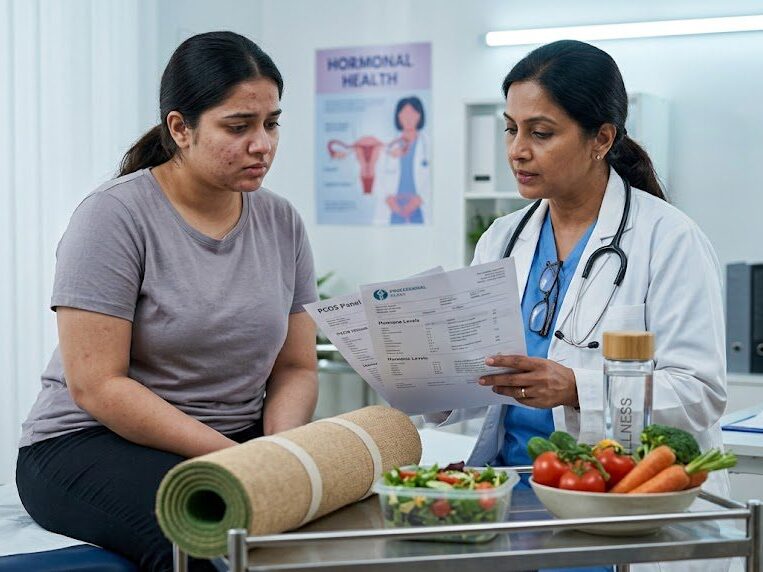
The ovaries produce two key female hormones. These are estrogen and progesterone. They also produce small amounts of androgens. Together, these hormones regulate the menstrual cycle. They also support healthy egg development.
However, in women with PCOD, something goes wrong. The ovaries start producing too many androgens. This excess production consequently blocks ovulation. Eggs remain trapped inside their follicles. They are never released. Over time, these trapped follicles accumulate. They slowly transform into cysts. This leads to pelvic discomfort and a range of hormonal symptoms.
It is also worth noting that PCOD runs in families. Research shows that approximately 40% of women with PCOD have inherited it. It is often passed down from a mother or sister.
Recognising the Signs: Key Symptoms of PCOD
PCOD does not look the same in every woman. However, several symptoms appear most commonly:
- Acne Vulgaris — Deep, pus-filled breakouts, especially along the jawline and chin
- Unexplained weight gain — Particularly around the abdomen
- Hirsutism — Unwanted hair growth on the face, chest, stomach, and back
- Irregular menstrual cycles — Some women have as few as nine periods per year, often with heavier and longer bleeding
- Androgenetic Alopecia — Gradual thinning or male-pattern hair loss
- Fertility challenges — Difficulty getting pregnant or a higher risk of miscarriage
Why Your Diet Is a Powerful Tool Against PCOD

Diet is one of the most effective tools for managing PCOD. Yet it is also one of the most overlooked. Women with PCOD usually have higher-than-normal insulin levels. These elevated insulin levels stimulate excess androgen production. This, in turn, worsens existing symptoms. Therefore, eating in a way that stabilises blood sugar is not just helpful — it is essential.
Furthermore, managing body weight plays a critical role. Even a modest reduction in weight can noticeably reduce symptom severity. It also lowers the long-term risk of type 2 diabetes and cardiovascular disease. So, what you eat truly matters — every single day.
10 Dietitian-Recommended Food and Lifestyle Strategies for PCOD
1. Prioritise Whole, Unprocessed Foods for PCOD
Whole foods are clean and natural. They contain no artificial sugars. They carry no harmful preservatives. Fresh fruits, vegetables, legumes, whole grains, and raw nuts all fall into this category. Eating these foods regularly helps stabilise insulin levels. They also supply the micronutrients your body needs for hormonal regulation.
2. Manage Your Carbohydrate Quality
Not all carbohydrates work the same way in the body. Refined carbs cause blood sugar to spike quickly. This consequently drives a surge in insulin. Instead, choose meals that are high in fibre and protein. These release glucose slowly and steadily. As a result, insulin levels stay in a healthy and balanced range throughout the day.
3. Incorporate Anti-Inflammatory Ingredients
PCOD is closely linked to chronic low-grade inflammation. This inflammation can worsen hormonal disruption over time. Fortunately, the right foods can help fight it. Add tomatoes, dark leafy greens, and fatty fish like tuna and mackerel to your plate. Include nuts and cold-pressed olive oil as well. These foods actively reduce inflammation in the body.
4. Boost Your Iron Intake Thoughtfully
Heavy menstrual bleeding is common in PCOD. If left unaddressed, it can lead to iron deficiency anaemia. To prevent this, include iron-rich foods regularly. Spinach, eggs, chicken liver, and broccoli are all excellent choices. However, always consult your doctor before starting iron supplements.
5. Don’t Overlook Magnesium
Magnesium is a mineral that many women with PCOD are deficient in. It plays a key role in insulin sensitivity. It also supports better sleep quality — something that is frequently disrupted in PCOD. Eat cashews, almonds, bananas, and spinach regularly. These foods help fight fatigue and improve metabolic function naturally.
6. Load Up on Dietary Fibre
Fibre is essential for healthy digestion. It also relieves bloating and constipation, which are common during menstruation. Lentils, kidney beans, broccoli, Brussels sprouts, pears, and avocados are all fibre-rich options. The good news is that they are easy to include in everyday meals.
7. Reconsider Your Caffeine Habit
That morning coffee might feel essential. However, caffeine raises estrogen levels in the body. This can further disrupt an already imbalanced hormonal environment. Consider switching to herbal teas or green tea instead. Green tea, in particular, supports healthy weight management. It also helps regulate insulin sensitivity — making it a far smarter choice for women with PCOD.
8. Explore the Benefits of Soy
Soy-based foods are rich in phytoestrogens. These are natural plant compounds. They help moderate estrogen activity in the body. They also support overall hormonal balance. Tofu, soy milk, miso, and tempeh are all great PCOD-friendly options. However, women with estrogen-sensitive conditions should speak to their doctor first before increasing soy intake.
9. Eliminate Junk and Heavily Processed Foods
Oily, processed, and fast foods are harmful for women with PCOD. They cause weight gain, trigger systemic inflammation and also disturb digestive health. All of these effects directly worsen PCOD symptoms. While fried and packaged foods must be avoided, cold-pressed olive oil is a safe and healthy cooking alternative.
10. Make Exercise a Non-Negotiable Habit
Exercise is one of the most well-researched interventions for PCOD. Aim for at least 150 minutes of moderate activity every week. Regular movement helps regulate body weight. It lowers circulating androgen levels. It reduces stress hormones. Most importantly, it significantly improves insulin sensitivity — one of the core issues in PCOD.
Additional Lifestyle Adjustments Worth Adopting
Diet and exercise are foundational. However, a few additional habits can further support your hormonal health.
First, establish a consistent sleep routine. Poor sleep worsens insulin resistance. It also raises cortisol levels. Both of these changes harm hormonal health significantly.
Second, manage stress actively. Yoga, meditation, and mindful breathing are particularly effective. They lower cortisol. They also help support menstrual cycle regularity over time.
Third, and most importantly — stay consistent. PCOD is not managed by short-term fixes. It requires a long-term commitment to sustainable daily choices.
A Final Word From a Dietitian’s Desk
PCOD is a complex condition. But it is absolutely manageable. Medical treatment is important in many cases. However, the true foundation of effective PCOD care lies in your everyday choices — what you eat, how you move, and how well you rest. Small, purposeful changes genuinely add up over time. If you feel overwhelmed or unsure where to start, consider working with a registered dietitian. A personalised nutrition plan — built around your specific hormonal profile and health goals — can make a transformative difference to your long-term wellbeing.




Post Comment