Joint Pain Relief: 13 Ways to Feel Better Fast
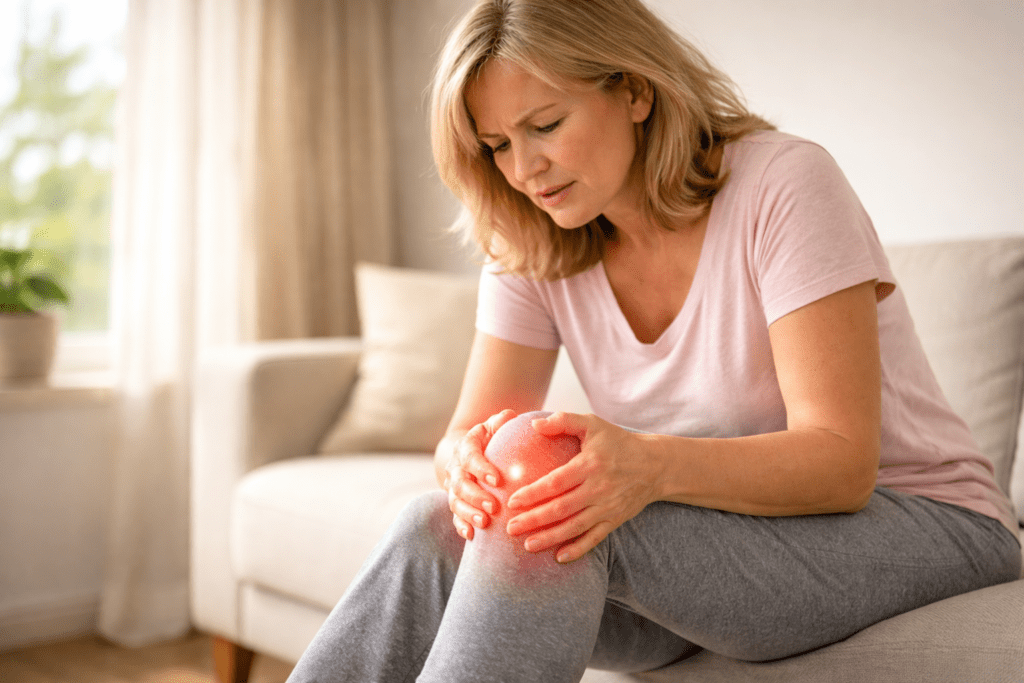
Joint pain is hard to predict. In fact, it can feel different every single day. As a dietitian, I get asked one question more than anything else. People say, “Why does nothing seem to work for long?” The answer is straightforward. Joint pain feels different for every person. For some, it is a dull, heavy ache. For others, it is a sudden, sharp pain when they move. Sometimes poor sleep makes it worse. Similarly, a stressful day can bring it on, too. So, because every person is different, every treatment plan needs to be different too.
There is no single solution that works for everyone. Getting relief from arthritis joint pain — whether through natural methods or medical treatment — takes time. Moreover, it takes patience. It takes trying more than one approach. As a result, this guide covers 13 ways to help. Some are medical. Some are lifestyle changes you can start today. We’ve chosen every single one to help you take control of your pain with confidence.
1. Start With Disease Control, Not Just Pain Relief
Some types of arthritis cause inflammation inside the joints. Rheumatoid arthritis is one example. For these types, the most important first step is to treat the disease itself — not just the pain. Just taking painkillers without treating the cause will only help for a short time. Therefore, seeing a specialist early on can make a real difference.
Doctors often prescribe:
- DMARDs such as methotrexate or leflunomide — these slow down how fast the disease gets worse
- Biologics — these target the specific parts of the immune system that cause inflammation
- JAK inhibitors — these block the signals inside cells that lead to joint damage
Always work with a specialist doctor to find the right treatment. These medicines need to be checked regularly.
2. Oral Pain Medicines: Picking the Right One for Your Pain
Different pain medicines work in different ways. So the best choice for you depends on how bad your pain is and what type it is:
- Acetaminophen — good for mild to moderate pain and easier on the stomach
- NSAIDs like ibuprofen and naproxen — help with both pain and swelling at the same time
- Duloxetine — first made for depression, but now also used for long-term joint and muscle pain
- Tramadol — a stronger painkiller used only for severe pain, always under close doctor supervision
3. Joint Injections: Quicker Relief When Pills Are Not Enough
Sometimes oral medicines do not give enough relief. In that case, injections can go straight to where the pain is. They are especially useful when pain suddenly gets much worse:
- Corticosteroid injections — quickly reduce swelling and pain right inside the joint
- Hyaluronic acid injections — add back natural fluid to the joint so it moves more easily
4. Creams and Gels: Pain Relief You Put Directly on Your Skin
Many people do not think about topical treatments. However, they can work very well. They are put straight onto the skin over the sore joint. Because of this, they are much less likely to cause side effects throughout the rest of the body:
- Capsaicin cream — reduces a chemical called substance P, which carries pain signals to the brain
- Diclofenac gel — an anti-inflammatory that soaks through the skin to reduce swelling
- Salicylates — work like aspirin but are applied on the skin instead of swallowed
- Menthol and camphor products — give a warm or cool feeling that helps take the mind off pain
5. Food and Nutrition: to relieve joint pain

As a registered dietitian, I truly believe that food is medicine. But it is one of the most underused tools for joint pain. The good news is that eating an anti-inflammatory diet is not hard. It just needs to become a daily habit.
Try to eat more of these:
- Oily fish like salmon and sardines — full of omega-3 fats that calm down joint inflammation
- Bright-coloured fruits and vegetables — packed with antioxidants that protect joint tissue
- Beans, nuts, and seeds — give your body plant protein and natural anti-inflammatory nutrients
- Less processed food — sugar and unhealthy fats feed inflammation and make pain worse
On top of helping with pain, eating well also helps keep your weight in a healthy range — and that leads to the next point.
6. Losing Weight for joint pain: Even a Little Can Go a Long Way
Extra body weight puts a lot of stress on your joints. The knees and hips carry the most load. However, losing weight does more than just ease that pressure.
- Losing even 5 to 10 percent of your body weight can noticeably reduce joint pain
- Losing more weight helps lower inflammation throughout the whole body
- Combining weight loss with regular movement gives the best and longest-lasting results
7. Supplements: Extra Support for Your Joints
Supplements should never take the place of proper medical treatment. That said, some do have good evidence to support their use:
- Fish oil — lowers inflammation-causing proteins in the body; one of the most studied supplements for arthritis
- Curcumin from turmeric — a natural plant compound that fights inflammation
- SAM-e — helps keep cartilage healthy and has been shown to ease pain in some studies
- Glucosamine and chondroitin — may help protect cartilage, although study results are mixed
- CBD and medical cannabis — show some early promise, but more research is still needed
Always talk to your doctor or dietitian before taking any supplement. Some can react badly with other medicines.
8. Exercise: for joint pain relief

This might surprise you. Moving more can actually reduce your pain. Exercise causes the body to release endorphins. These are natural chemicals that block pain. Exercise also makes the muscles around your joints stronger. On top of that, it keeps joints flexible and stops them from getting stiff.
The best low-impact exercises for arthritis include:
- Swimming and water-based exercise — the water takes the weight off your body while you build strength
- Cycling — easy on the knees and hips while still being great for your heart
- Yoga and tai chi — improve how your body moves, bends, and balances
- Walking — free, simple, and helpful for almost every type of arthritis
However, balance is important. Too much exercise can cause a painful flare-up. Too little causes stiffness and weakness. Finding the right amount for your body is the key.
9. Supportive Tools and Good Posture: Small Habits That Add Up
Simple everyday tools can take a lot of stress off your joints. For example:
- Braces and splints — keep sore joints in the correct position and stop further damage
- Shoe inserts — spread weight evenly so painful joints in the feet, knees, and hips get a break
- Helpful everyday tools — ergonomic handles, easy-grip jar openers, and grab rails reduce strain on hands and wrists
Furthermore, sitting, standing, and lifting with good posture throughout the day stops joints from taking on more load than they need to.
10. Heat, Cold, and Acupuncture: Simple Therapies That Help Joint Pain
These are safe, low-cost options that you can use regularly:
- Heat — warms up tight muscles and gets blood moving to stiff joints; best used before you start moving
- Cold — brings swelling down and numbs sharp pain; works best right after a flare-up
- Acupuncture — helps the body release its own natural pain-relieving chemicals. However, results build up slowly. Most people notice improvement after several weeks of regular treatment
11. Radiofrequency Ablation (RFA): A Step Further When Nothing Else Has Worked
Some people try many treatments and still have serious ongoing pain. In those cases, radiofrequency ablation may be an option. This is a medical procedure where controlled heat is used to stop pain signals from travelling along the nerves from the joint to the brain. It is only considered after other treatments have been tried first.
12. Mind and Body Therapies: Helping Your Brain Handle Joint Pain Better
Chronic pain is not just about the body. The brain, your thoughts, and your emotions all play a role. As a result, mind-body therapies are now a well-respected part of pain management:
Cognitive Behavioural Therapy (CBT) CBT helps you spot negative thoughts that make pain feel bigger than it is. It also teaches useful skills for coping with long-term health conditions.
Hypnosis Hypnotherapy gently moves your attention away from pain. It puts the body and mind into a deeply relaxed state, which helps reduce how strongly pain is felt.
Biofeedback This method teaches you to notice things like muscle tension, breathing speed, and heart rate. Once you are aware of them, you can learn to control them — especially during stressful times when pain tends to get worse.
13. Relaxation Habits: Easy Daily Practices That Ease Pain From Within
Finally, adding simple relaxation practices to your daily life is one of the most accessible and effective things you can do for joint pain:
- Deep belly breathing — slows the nervous system down and reduces stress hormones that make inflammation worse
- Progressive muscle relaxation — you tense each muscle group one at a time, then release it, letting go of built-up tension throughout the body
- Guided imagery — you picture a calm, peaceful place in your mind to draw attention away from pain and help the brain process it differently
Final Thoughts: Building a Pain Plan That Works for You
Managing arthritis joint pain naturally — alongside medical treatment — is not about finding one perfect answer. Instead, it is about putting the right pieces together. It is about being willing to adjust as your needs change. It is about giving each approach enough time to show results. Above all, keep going. Small, steady steps matter more than big, quick fixes.
Work with your doctor and a registered dietitian. Together, you can build a plan that fits your body, your life, and your goals.


Post Comment