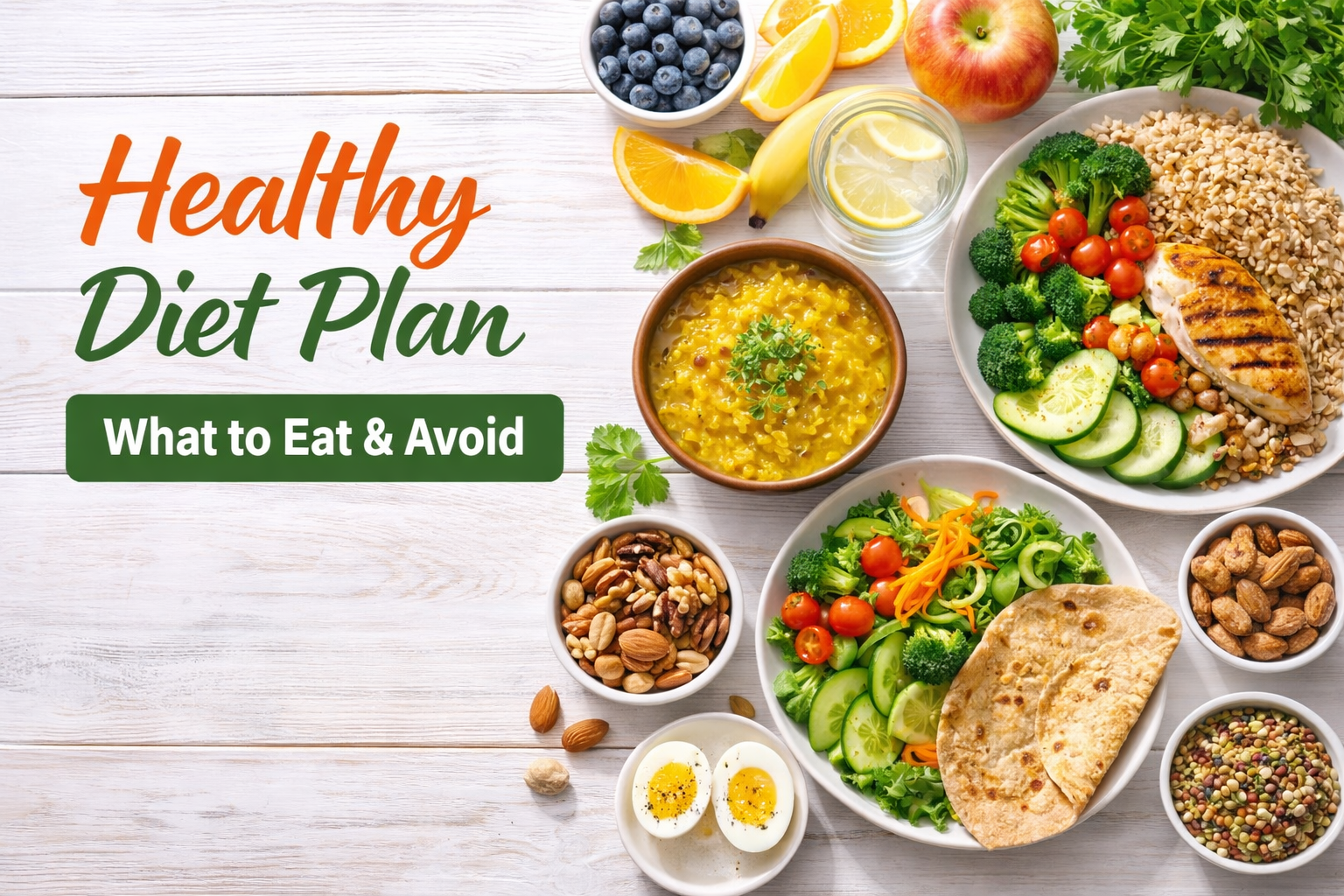
Balanced Nutrition Diet for Better Daily Life

Food affects your health every single day. However, most people don’t realise how deep this connection goes. Fatigue is felt by many people regularly. Moreover, poor concentration is also experienced by a large number of individuals. Consequently, both issues are often caused by missing key nutrients. On the other hand, it is not always about following the wrong nutrition diet alone. As a dietitian, I see this pattern constantly. Therefore, instead of chasing the latest food trend, build a strong foundation first. That is always the smarter move.
For example, choosing whole, nutritious foods makes a noticeable difference. Additionally, this guide will show you exactly what your body needs. In addition, it will tell you which foods deliver those nutrients. Thus, you will be able to plan meals that actually work long-term. Similarly, the right habits will support your health consistently.
Understanding What Your Body Actually Needs
The human body is a remarkably complex system that requires multiple nutrients working in concert. Consequently, no single food group can carry the full nutritional load on its own. Additionally, this is why variety is not just desirable, but essential.
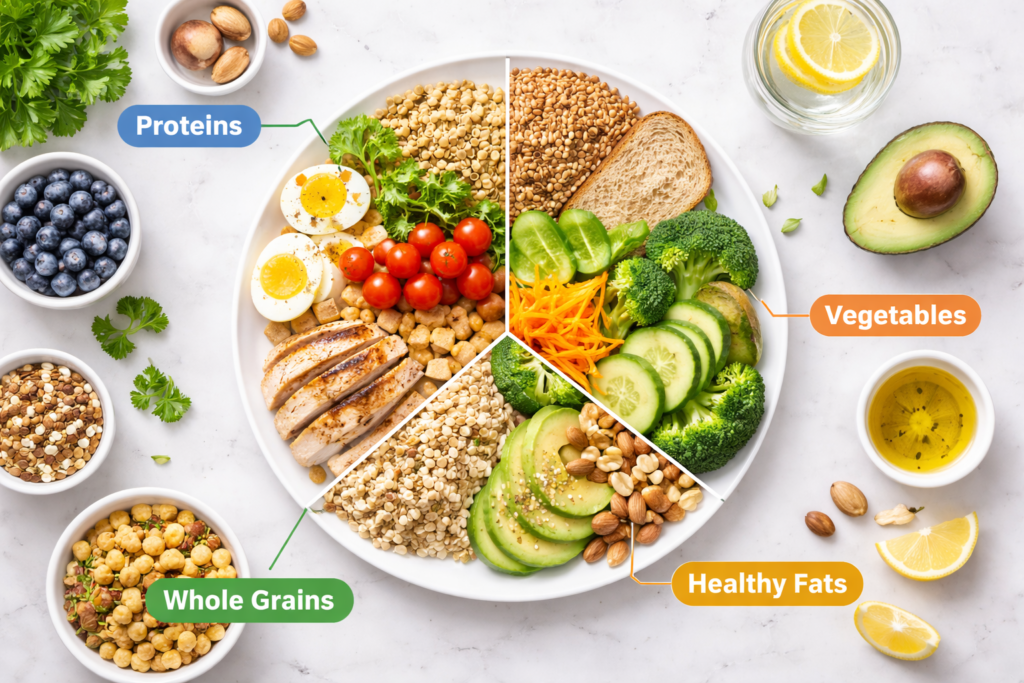
Energy Macronutrients: Your body draws energy from three primary macronutrients: carbohydrates, proteins, and fats. However, the quality of each matters significantly.
For carbohydrates, whole-food sources such as whole grains, oats, brown rice, and fresh fruits deliver sustained energy while keeping you fuller for longer periods. Meanwhile, processed carbohydrates — white bread, refined pastries, and sugary snacks — cause rapid blood sugar spikes followed by energy crashes. Prioritising complex carbohydrates is, therefore, one of the most impactful dietary adjustments you can make. Furthermore, this shift supports better long-term energy balance.
Protein is equally critical, not only for muscle maintenance but also for immune function and hormone production. Excellent protein sources include eggs, lean poultry, fish, lentils, paneer, chickpeas, tofu, and quinoa. In addition, plant-based proteins often carry the added benefit of dietary fibre, making them particularly valuable.
Healthy fats — found in nuts, seeds, avocados, and olive oil — support brain health, hormone regulation, and fat-soluble vitamin absorption. Conversely, trans fats and heavily processed vegetable oils, commonly present in fried and packaged foods, actively damage cardiovascular health over time. Ultimately, choosing the right fats significantly improves overall well-being.
Essential Micronutrients and Why They Cannot Be Overlooked
While macronutrients provide energy, micronutrients perform the precise biological functions that keep your body running smoothly. Deficiencies in these nutrients are surprisingly common and are frequently the hidden cause of persistent fatigue, brittle bones, or recurring infections.
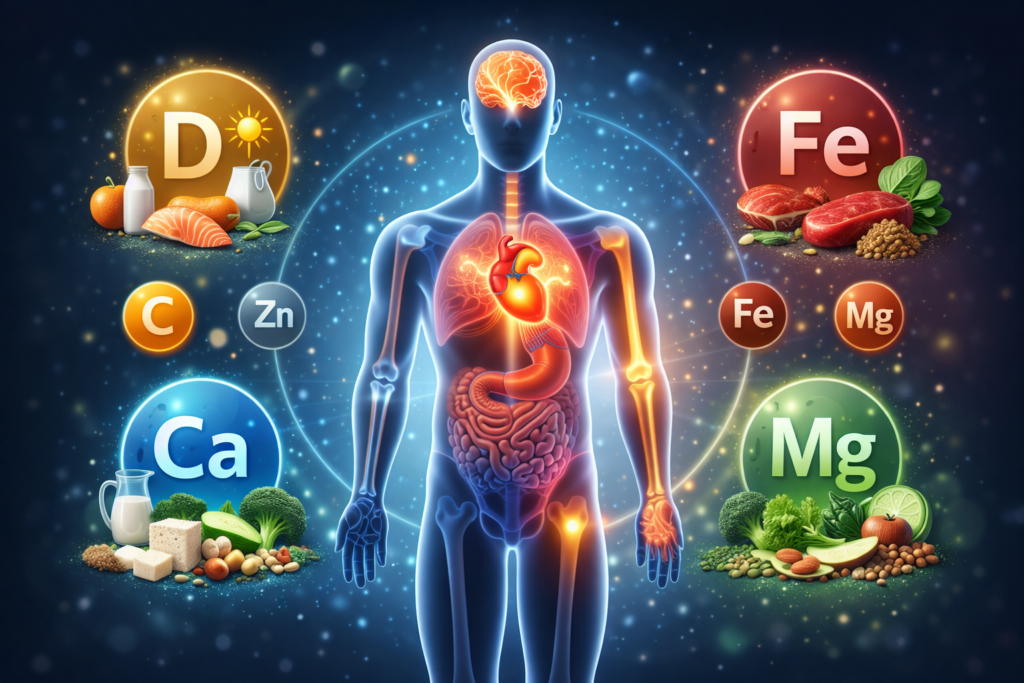
Key micronutrients to focus on include:
Vitamin C — Supports immune defence and skin repair. Rich sources: oranges, guavas, amla, and bell peppers.
Vitamin D — Essential for bone strength and immune modulation. Sources: fortified dairy products, egg yolks, and adequate sunlight exposure.
Iron — Critical for oxygen transport in the blood. Found in spinach, lentils, beans, and jaggery.
Calcium — Necessary for bone density and muscle function. Sources include dairy products, ragi, tofu, and dark leafy greens.
Zinc and Magnesium — Support cellular repair, nerve function, and energy metabolism. Found in nuts, seeds, whole grains, and legumes.
The Role of Fibre and Hydration in Daily Wellbeing
Two dietary components that are frequently underestimated are fibre and water — yet both are foundational to digestive and metabolic health.
To begin with, dietary fibre promotes healthy digestion, prevents constipation, and nourishes beneficial gut bacteria. As a result, a fibre-rich diet is associated with reduced risk of type 2 diabetes, improved cholesterol levels, and more stable blood sugar. Excellent fibre sources include fruits, vegetables, legumes, and whole grains.
Furthermore, hydration affects far more than thirst. Water is integral to circulation, temperature regulation, kidney function, and cognitive clarity. In addition, hydration can also be supported through water-rich foods such as cucumbers, soups, and fresh fruit.
Health Outcomes Linked to Consistently Good Nutrition
A well-constructed diet yields benefits that extend well beyond weight management. Specifically, research and clinical observation support the following outcomes:
Stronger immunity and sustained energy — A diet rich in whole foods reduces the frequency of common illnesses and eliminates the energy fluctuations many people accept as normal.
Cardiovascular protection — Replacing fried and processed foods with fresh produce, whole grains, and healthy fats measurably reduces cardiovascular risk factors.
Improved mental clarity and mood — Omega-3 fatty acids, B vitamins, and consistent hydration directly support neurological function. Therefore, what you eat profoundly influences how clearly you think and how emotionally balanced you feel.
Digestive comfort — Adequate fibre and hydration together maintain a healthy gut microbiome, reducing bloating, irregular bowel movements, and discomfort.
Foods Worth Including Consistently
Building a nourishing diet does not require expensive or exotic ingredients. The following food categories form a reliable and practical nutritional framework:
Wholesome carbohydrates: Brown rice, whole wheat roti, oats, poha, fruits, and vegetables
Quality proteins: Eggs, chicken, fish, paneer, dal, rajma, chana, and tofu
Beneficial fats: Nuts, seeds, ghee in moderation, olive oil, and avocados
Dairy and alternatives: Curd, milk, buttermilk, and soy milk
Functional superfoods: Amla, turmeric, curry leaves, and drumstick (moringa) — all of which have notable anti-inflammatory and micronutrient profiles
Foods to Limit for Better Long-Term Health
Importantly, a sound nutritional approach does not require eliminating entire food categories. However, certain foods warrant consistent moderation, as their regular consumption undermines health goals over time:
Processed and packaged snacks — biscuits, chips, and instant noodles contain excess sodium, refined carbohydrates, and unhealthy fats.
Sugary beverages — sodas, packaged fruit juices, and sweetened milk contribute significant empty calories with no nutritional benefit.
Deep-fried foods — occasional consumption is reasonable; however, making these a daily habit elevates inflammation and cardiovascular risk.
High-sodium condiments — pickles, processed sauces, and packaged seasonings contribute to elevated blood pressure when consumed in excess.
Tailoring Nutrition to Your Specific Goals
One of the most clinically significant principles in dietetics is that nutritional needs vary depending on individual circumstances. Therefore, the following evidence-based adjustments are worth considering:
Weight management: Focus on increasing fibre intake, choosing whole grain carbohydrates, and moderating portion sizes without eliminating food groups.
Building muscle: Increase high-quality protein sources, including chicken, eggs, paneer, and soya-based products, distributed evenly across meals.
Blood sugar regulation: Prioritise low-glycaemic index foods such as oats, barley, and non-starchy vegetables while limiting refined carbohydrates.
Heart health: Emphasise omega-3 rich foods — particularly fatty fish — alongside whole grains and abundant fresh produce. Additionally, incorporating nuts, seeds, and leafy greens can further support cardiovascular function.
Children and older adults: Children require particular attention to calcium for bone development, while older adults benefit most from soft, nutrient-dense foods that support bone density and muscle preservation. Moreover, ensuring adequate vitamin D and protein intake helps strengthen bones and maintain muscle health across both age groups.
A Practical Sample Nutrition Meal Plan
Breakfast Options
Vegetarian: Poha with curd and seasonal fruit | Non-vegetarian: Egg sandwich with a banana
Lunch Options
Vegetarian: Two rotis, vegetable sabzi, dal, and a fresh salad | Non-vegetarian: Grilled chicken with brown rice and steamed vegetables
Snack Ideas
A small handful of nuts, roasted chana, fresh fruit, curd, or a boiled egg
Dinner Options
Vegetarian: Moong dal khichdi with a teaspoon of ghee and curd | Non-vegetarian: Fish curry with millet roti and leafy greens
Hydration Throughout the Day
Water remains the optimal choice. Coconut water and unsweetened herbal teas are excellent alternatives. Sugary drinks, however, should be avoided as a daily beverage.
7-Day Structured Nutrition Diet
| Day | Breakfast | Mid-Morning | Lunch | Evening Snack | Dinner |
|---|---|---|---|---|---|
| Mon | Poha + curd | Apple | Dal, veg sabzi, 2 roti, salad | Roasted chana | Moong dal khichdi + curd |
| Tue | Oatmeal | Orange | Rajma, brown rice, salad | Almonds | Grilled fish/paneer, greens, millet roti |
| Wed | Idli + sambar | Guava | Dal, palak paneer, 2 roti | Buttermilk | Veg soup + grilled chicken/tofu |
| Thu | Egg sandwich | Walnuts | Chole, brown rice, salad | Sprouts salad | Dal, lauki sabzi, 2 roti |
| Fri | Upma | Banana | Fish/paneer curry, brown rice, salad | Green tea | Millet roti, veg sabzi, dal |
| Sat | Besan chilla | Pear | Dal, mixed veg, 2 roti, salad | Roasted makhana | Chicken/soya curry |
| Sun | Idli/dosa + sambar | Coconut water | Dal makhani, roti, salad | Tea/coffee (no sugar) | Light moong dal, roti, salad |
Practical Strategies for Staying Consistent
Knowing what to eat is only half the equation. Equally important, developing habits that make healthy eating sustainable long-term is essential. To begin with, practise mindful portioning — using smaller plates and eating slowly allows your body’s satiety signals to activate, naturally reducing overconsumption. Furthermore, plan meals in advance — preparing or at least deciding meals ahead of time reduces the likelihood of defaulting to convenient but nutritionally poor options. In addition, read food labels critically — pay close attention to sodium, added sugar, and trans fat content, as these are the most commonly concealed contributors to poor dietary outcomes. Finally, stay physically active — even a 30-minute daily walk meaningfully improves how efficiently your body processes the nutrients you consume.
Final Thoughts from a Dietitian’s Perspective
Building a healthier relationship with food does not demand complexity, deprivation, or expensive supplements. Instead, it requires consistent attention to whole, minimally processed foods, adequate hydration, and a diet that is appropriately balanced across all macronutrient and micronutrient groups. Moreover, when approached with patience and practicality, these principles translate directly into better energy levels, stronger immunity, improved digestion, and greater overall vitality — not just for weeks, but for years to come. Ultimately, these habits create a long-lasting foundation for optimal health.




Post Comment