Simple Oral Hygiene Habits for a Healthier Life
The Connection Most People Overlook
Millions of people ignore oral hygiene. First, they only remember it when the pain starts. But your mouth affects your whole body. In fact, this is often overlooked by many people. Moreover, emerging research proves this clearly. Your mouth is a direct doorway to your heart, lungs, and blood. So, good dental habits are not just about looks. They are about your total health. As a dietitian, I see this every day. Unfortunately, oral health is ignored by too many patients. Thankfully, protecting your mouth is easy. Simple daily steps make a big difference.
What Oral Health Actually Means
Oral health is not just about white teeth. Additionally, it is not just about fresh breath either. It means keeping your whole mouth clean. This includes your teeth, gums, tongue, and tissues. You need a daily routine. Also, you need regular dental visits. Together, these two things stop harmful bacteria. Furthermore, they prevent infections and inflammation. As a result, good oral hygiene protects your mouth. Most importantly, it also protects your entire body.
How Poor Oral Hygiene Damages Your Body Beyond the Mouth
This is where things get serious. Harmful bacteria grow in your mouth. They do not stay there, however. Instead, they enter your blood. Then they travel to your heart, lungs, and other organs. As a result, they cause inflammation. Consequently, this leads to serious health problems.
Furthermore, research shows clear links between poor gum health and major diseases. Specifically, it is worth noting that gingivitis and periodontitis are the two main gum conditions involved
These conditions are linked to:
- Heart disease and stroke — bacteria inflame the walls of your arteries
- Endocarditis — this is an infection inside your heart
- Pneumonia — mouth bacteria can travel into your lungs
- Pregnancy problems — such as early birth and low baby weight
On the other hand, some health conditions make your oral health worse too. These include:
- Diabetes
- Osteoporosis
- HIV/AIDS
- Alzheimer’s disease
Therefore, if you have any of these conditions, talk to your dentist. Ask for a personal oral care plan.
Recognizing the Warning Signs Early
Catching problems early is always better. So, know the warning signs. Act fast when you notice them. Here are the most common signs of poor oral health:
- Bleeding or swollen gums
- Bad breath that does not go away after brushing
- Tooth pain or sensitivity
- Loose teeth
- Gums that are pulling back
- A swollen jaw
- Mouth sores that last more than two weeks
- Gingivostomatitis — a mouth infection caused by bacteria or viruses
If you notice any of these signs, do not wait. Book a dental appointment right away.
A Practical Daily Routine That Actually Works
A good oral hygiene routine is simple. It does not need expensive products. It does not need complicated steps either. Above all, it needs consistency. Here are the five key steps:
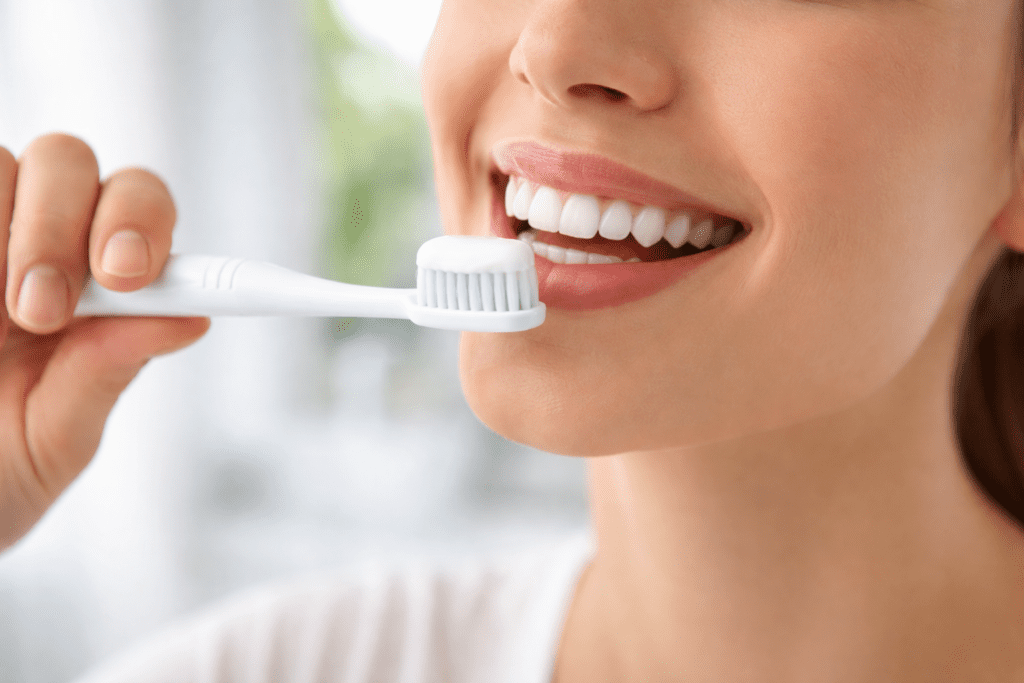
1. Brush Twice Every Day for oral hygiene — No Excuses. Use a soft toothbrush. Use fluoride toothpaste. Hold the brush at a 45-degree angle. Point it toward your gum line. This removes plaque and bacteria. Brush the front, back, and sides of every tooth. Do not skip any surface.
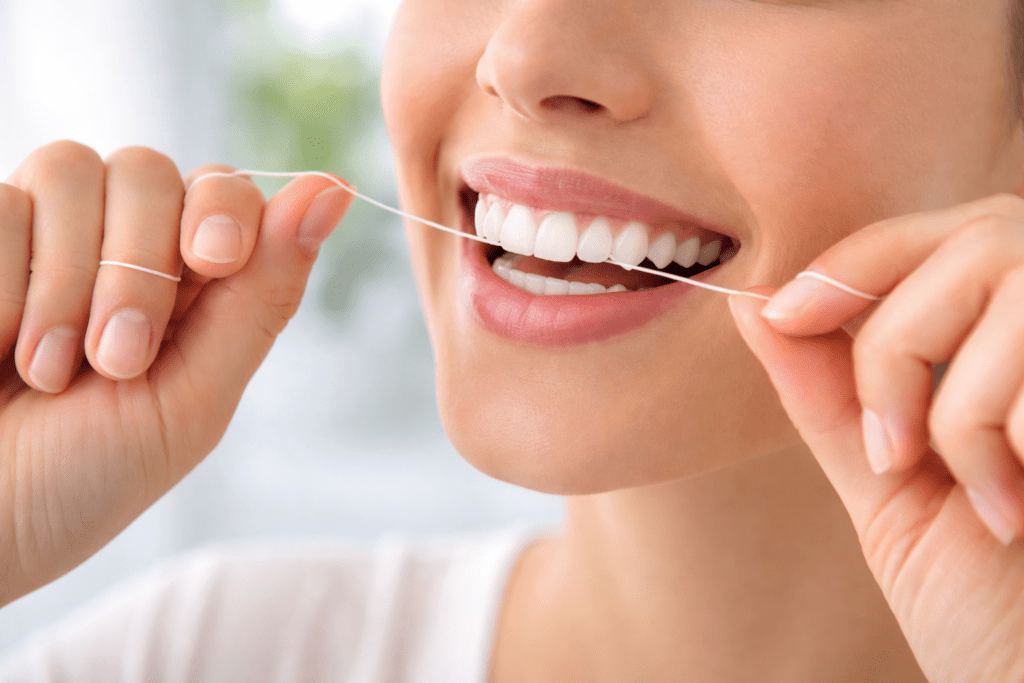
2. Floss Once Every Day Your toothbrush cannot reach between your teeth. So, flossing is essential. Use about 18 inches of floss. Wrap each end around your middle fingers. Slide the floss between two teeth. Wrap it in a C-shape around one tooth. Move it up and down about 10 times. Then repeat on the next tooth. If flossing is hard for you, try interproximal brushes or dental picks. Note — water flossers remove food. However, they cannot remove the sticky film on teeth. Therefore, always use regular floss too.
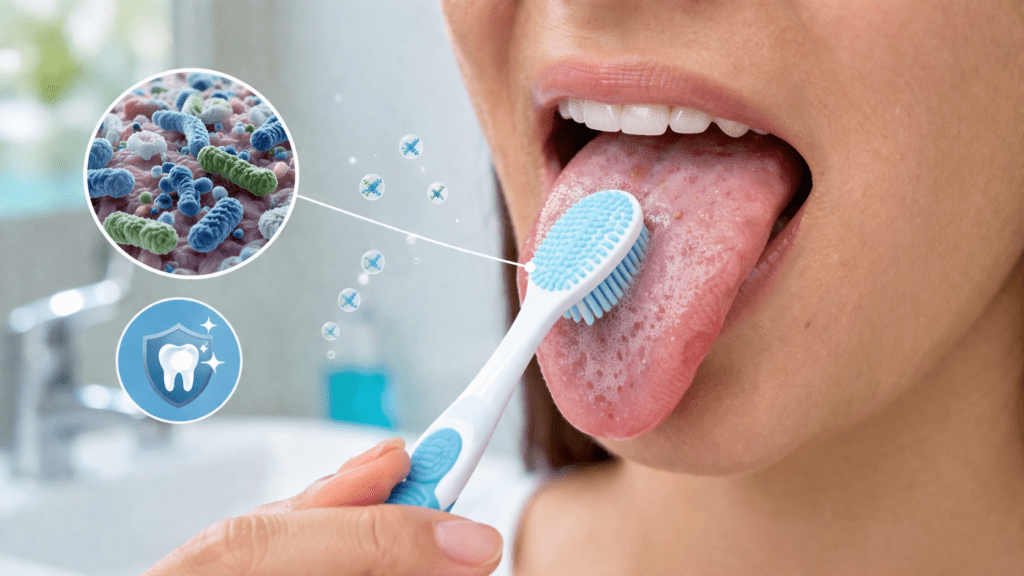
3. Brush Your Tongue Every Day for oral hygiene. Your tongue holds a lot of bacteria. It works like a sponge. So, brush it every time you brush your teeth. You can use your toothbrush. Alternatively, use a tongue scraper. Both work well.
4. Use Antibacterial Mouthwash Daily Mouthwash kills harmful bacteria. It also washes away food and debris. Moreover, it reduces plaque buildup. Always choose an alcohol-free formula. Alcohol-based mouthwash can dry out your mouth.

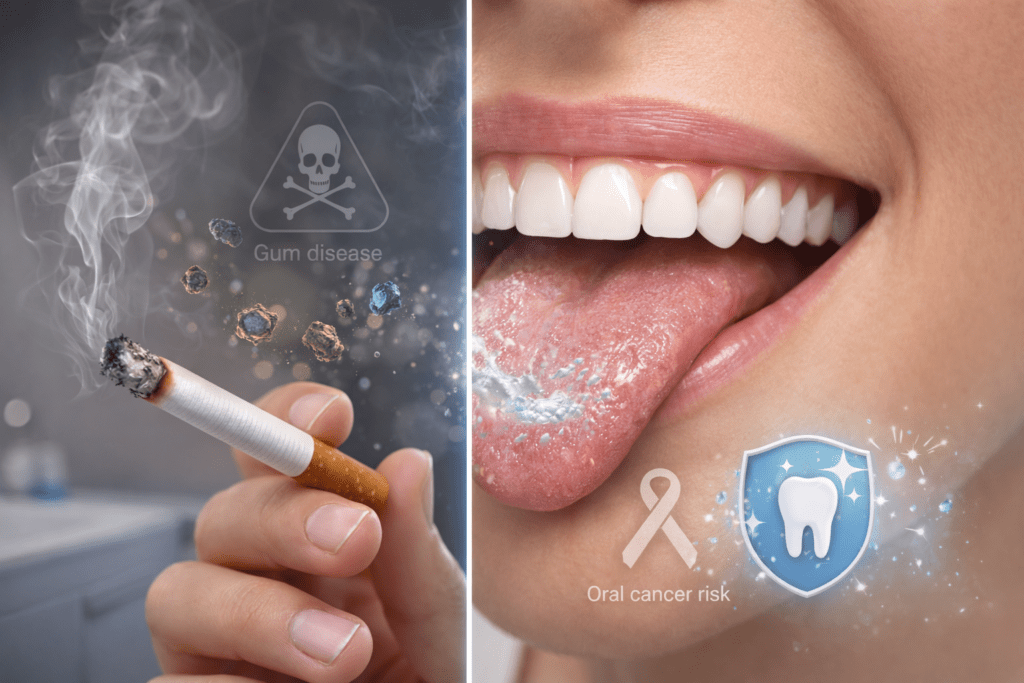
5. Stop smoking and Using Tobacco Smoking is a major cause of gum disease. It also causes oral cancer. Therefore, avoid all tobacco products. If you want to quit, ask your doctor for help. There are many effective options available.
Choosing the Right Products for Oral Hygiene
Not all oral care products are equal. So, how do you choose? First, look for the ADA Seal of Acceptance. This seal is given by the American Dental Association. It means the product has been tested properly. Scientists from multiple fields check these products. This includes microbiology, chemistry, and toxicology. Additionally, ask your dentist for personal product advice. They know what works best for your specific needs. Moreover, dentists can explain which ingredients are safe for you. Finally, choose products that match your daily routine and comfort.
The Real Benefits of Good Oral Hygiene
Good oral hygiene pays off in many ways. Here is what you gain:
- Stronger teeth and healthier gums
- Far fewer cavities and less gum disease
- Fresher breath all day long
- Less need for fillings, crowns, implants, or dentures
- Lower risk of heart disease, stroke, and diabetes
- A reduced chance of developing oral cancer
Furthermore, preventive dental care costs much less than emergency treatment. Therefore, a few minutes each day saves you money. It also saves you pain and stress in the long run.
How Often Should You Visit Your Dentist?
Most adults need a dental visit every six months. However, this is not the same for everyone. Some people need to go more often. For example, people with gum disease often visit every three to four months. This is because bacteria grows back faster in some people. Consequently, your dentist will decide the best schedule for you. Always follow their advice.
When You Should Act Right Away
Some signs need immediate attention. Do not delay if you have:
- Tooth pain
- Gums that bleed on their own
- Teeth that feel loose
- Bad breath that never goes away
These are not small issues. They are clear signs of a bacterial problem. Professional treatment is needed. Additionally, if it has been more than six months since your last cleaning, book an appointment today. It is one of the best things you can do for your overall health.



Post Comment