
How to Heal Cracked Heels: Naturally Fast at Home
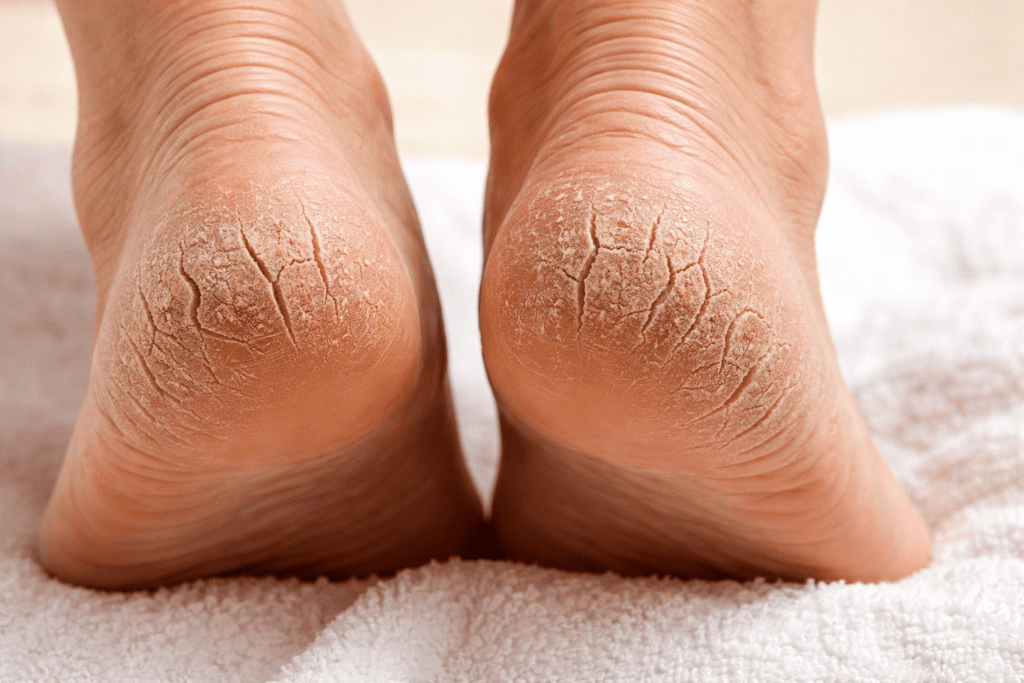
Why Your Heels Deserve More Attention Than You’re Giving Them
Most people ignore their heels. They only notice them when pain starts. Socks begin to snag. Visible splits appear. By then, the damage is already done. As a dietitian, I see this often. The link between skin health and daily habits is real. Cracked heels are rarely just a beauty problem. They can signal something deeper. Your skin barrier may be weak. Your hydration levels might be low, and your overall health could be affected. Many people also lose confidence because of cracked heels. They avoid open shoes and sandals completely.
This affects their daily comfort and quality of life. The good news is that help is simple. A steady routine can fix this. The right ingredients make a big difference. Small daily changes can transform your heel health completely. You do not need a pharmacy full of products to see real results. Soft, healthy heels can be achieved by anyone — no expensive treatments are needed.
Understanding Why Heel Skin Breaks Down in the First Place
Before jumping into solutions, understand the cause first. Cracked heels are medically called heel fissures. They form when dry, thick skin loses elasticity. Then it splits under body weight pressure.
Several everyday factors make this worse, including:
- Chronic dry skin (xerosis) — especially in cold or dry climates
- Prolonged standing on hard floor surfaces
- Open-back shoes and thin soles — these let the heel fat pad spread sideways, stressing the skin
- Hot showers and harsh soaps — both strip away natural skin oils
- Aging — oil production and skin elasticity naturally drop over time
- Skin conditions such as eczema or psoriasis
- Athlete’s foot — a fungal infection causing peeling, itching, and cracking
- Health conditions including diabetes and hypothyroidism
- Higher body weight — adds extra pressure on the heel with every step
Important Safety Checks Before Starting Home Treatment
Before trying any dry cracked heel treatment at home, safety must come first. This is especially true if you have existing health conditions.
- Always talk to a doctor if circulation or skin sensation is affected.
- If you have diabetes, neuropathy, or poor circulation, do not self-treat without medical advice.
- Watch for infection signs: redness, warmth, swelling, pus, drainage, or fever. These need urgent care.
- Never use razors, blades, or callus shavers on your feet.
- Stop any product right away if stinging or irritation occurs.
A Nightly Step-by-Step Routine That Actually Works
Consistency matters most. No single product will fix cracked heels overnight. Instead, follow this simple nightly routine. Do it for one to two weeks. Results will follow.
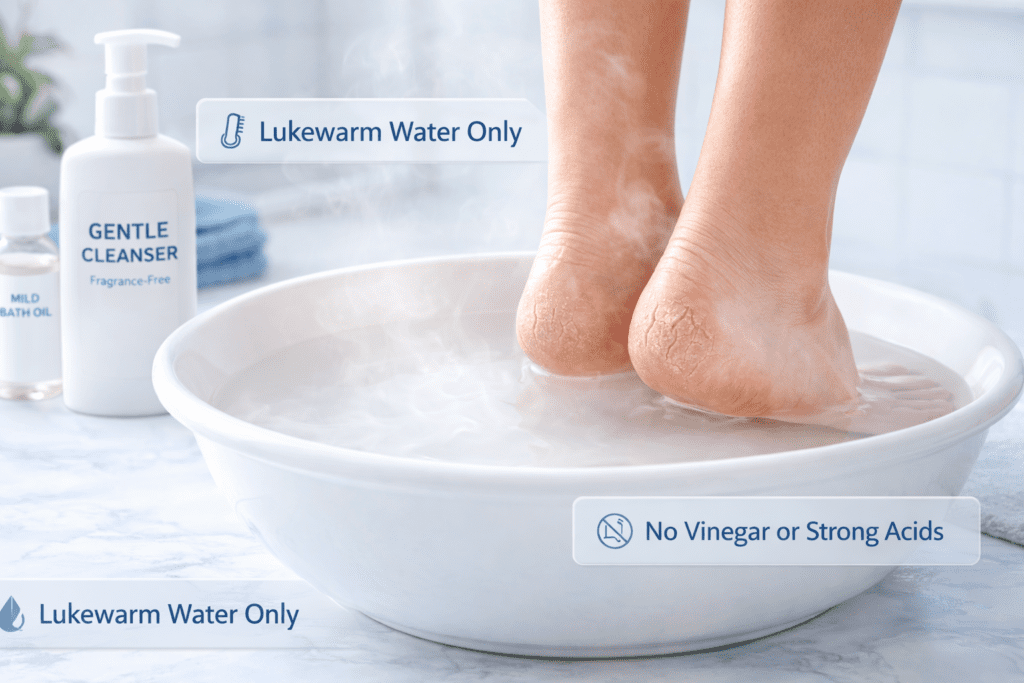
Step 1 — Soak and Soften the Skin for Cracked Heels
Start with a foot soak. Use lukewarm water — never hot. Soak for 10 to 15 minutes. Furthermore, add a gentle, fragrance-free cleanser. A few drops of mild bath oil also help. However, avoid vinegar or strong acids. Instead, they cause irritation, not healing.
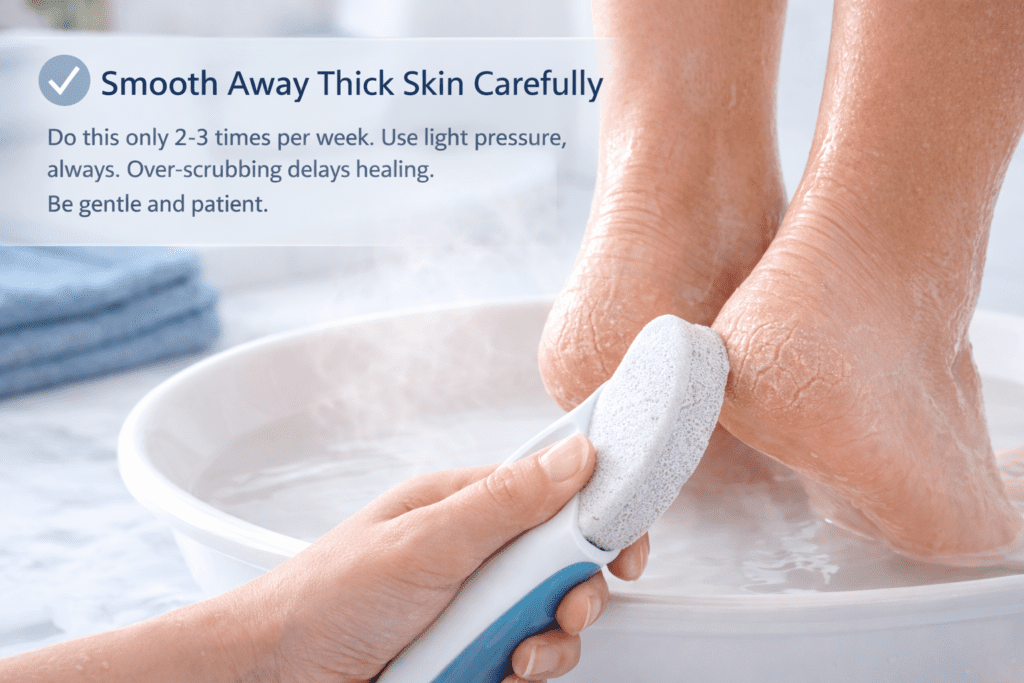
Step 2 — Gently Exfoliate the Thickened Skin
After soaking, pat feet until slightly damp. Do not dry them fully. Next, use a pumice stone or soft foot file. Smooth away the thick skin carefully. Do this only two to three times per week. Use light pressure always. Over-scrubbing delays healing. So, be gentle and patient.
Step 3 — Apply a Rich, Targeted Moisturiser for Cracked Heels
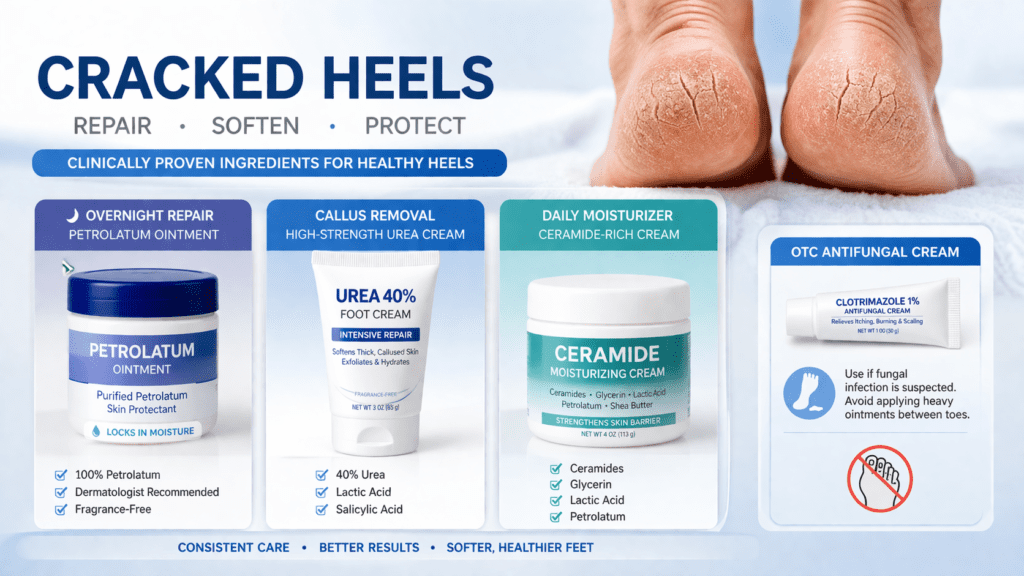
This step does the real work. Apply moisturiser directly onto damp skin. Damp skin absorbs hydration far better than dry skin. Therefore, timing matters here. Look for these key ingredients:
- Petrolatum or mineral oil — builds a protective barrier
- Urea, lactic acid, or salicylic acid — soften and break down thick skin
- Glycerin or hyaluronic acid — pull moisture deep into the skin
- Ceramides, shea butter, or lanolin — rebuild and strengthen the skin barrier
Always choose fragrance-free formulas. This is especially important for sensitive skin.
Step 4 — Seal and Protect Overnight
Once your cream is on, add a thin layer of plain petrolatum on top. This locks the moisture in. Then, put on cotton socks or silicone heel sleeves. Wear them to bed. This simple overnight method boosts healing while you sleep.
Step 5 — Protect Your Heels Through the Day
Healing must continue through the day too. Therefore, wear supportive, closed-back shoes during the day. These reduce pressure on healing skin. Cushioned insoles or silicone heel cups help even more. Additionally, apply a light moisturiser every morning. As a result, this keeps hydration going between nightly treatments.
The Best Products and Ingredients Worth Investing In
Not every moisturiser works well for cracked heels. Therefore, choose wisely. Here is what to look for:
- Heel balms with urea, lactic acid, salicylic acid, glycerin, or petrolatum
- Plain petrolatum ointment for overnight barrier repair
- High-strength urea or lactic acid creams for heavy callus buildup
- Ceramide moisturisers to build long-term skin barrier strength
Moreover, if athlete’s foot is suspected, use an OTC antifungal cream. However, do not put heavy ointments between your toes. This encourages fungal growth instead of stopping it.
Daily Skin Habits That Speed Up Recovery of Cracked Heels
Good habits support healing from the outside in. Beyond your nightly routine, these simple tips make a real difference:
- Keep showers short and lukewarm
- Use gentle, fragrance-free cleansers only
- Moisturise twice a day — especially right after bathing
- Use a humidifier in dry or winter months
- Wear moisture-wicking socks to cut friction and sweating
- Avoid walking barefoot on hard floors while healing
Long-Term Foot Care Habits to Prevent Cracked Heels From Returning
Treating cracked heels is only half the work. As a result, prevention is just as important as the cure.
Footwear choices matter enormously: Choose supportive, closed-back shoes every day. Limit flip-flops and open-back clogs. Save them for short, occasional use only.
Manage your standing environment: Use anti-fatigue mats where you stand for long periods. Furthermore, take regular sitting breaks throughout your day.
Stick to a simple maintenance routine: Exfoliate once or twice a week. Moisturise every single day. Always choose fragrance-free, skin-friendly products. Never pick at peeling skin or use harsh scrubs.
If you have diabetes or circulation issues: Check your feet every day. Wear well-fitting shoes at all times. Never go barefoot. Schedule regular professional foot checks without fail.
When Home Treatment Is No Longer Enough for Cracked Heels
Home care works well in most cases. However, some situations need professional help. See a doctor promptly if:
- There is no improvement after one to two weeks of consistent care
- Cracks are deep, bleeding, or very painful
- Infection signs appear — redness, swelling, warmth, or fever
- You have diabetes, neuropathy, or poor circulation
- Suspect eczema, psoriasis, or a stubborn fungal infection
- You are unsure which products suit your skin type
Mistakes That Are Silently Making Your Heels Worse
Finally, even careful people make these errors. Unfortunately, these mistakes slow healing significantly:
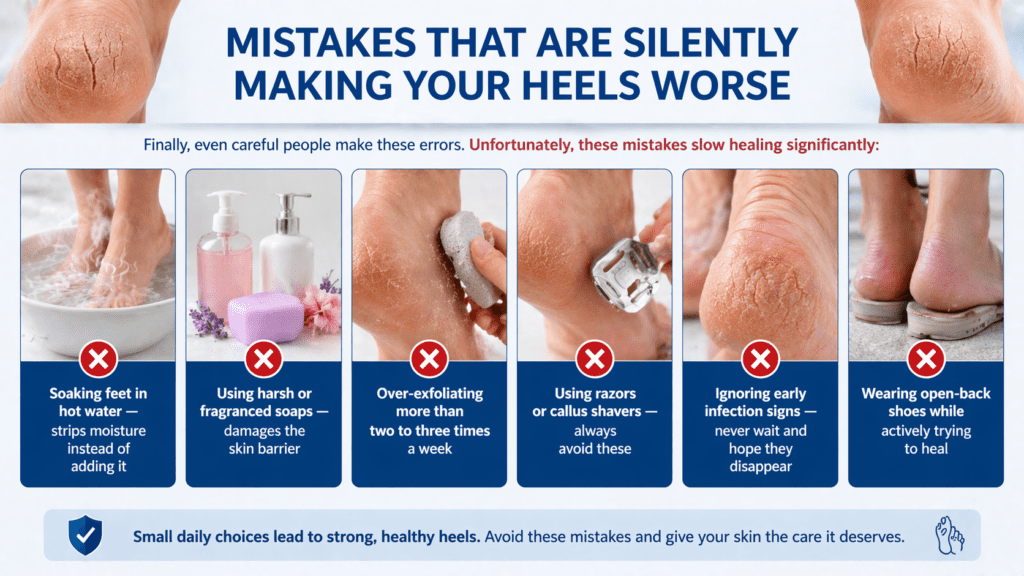
- Soaking feet in hot water — strips moisture instead of adding it
- Using harsh or fragranced soaps — damages the skin barrier
- Over-exfoliating more than two to three times a week
- Using razors or callus shavers — always avoid these
- Ignoring early infection signs — never wait and hope they disappear
- Wearing open-back shoes while actively trying to heal



Post Comment