
How to control diabetes naturally: 10 tips

Why Your Food Choices Matter More Than You Think
Control diabetes goes far beyond counting carbohydrates. Every meal you eat either works for your metabolic health or against it. As a dietitian, I’ve seen firsthand how strategic, consistent food choices can meaningfully reduce glucose fluctuations, improve energy levels, and lower the risk of serious complications, including cardiovascular disease, neuropathy, and kidney damage. Furthermore, the right foods work synergistically with your medications, movement routine, and sleep habits. You don’t need an expensive or complicated diet — in fact, the most powerful diabetes-friendly foods are surprisingly accessible. Here are ten evidence-backed choices worth building your meals around.
1. Non-Starchy Vegetables: to control diabetes naturally
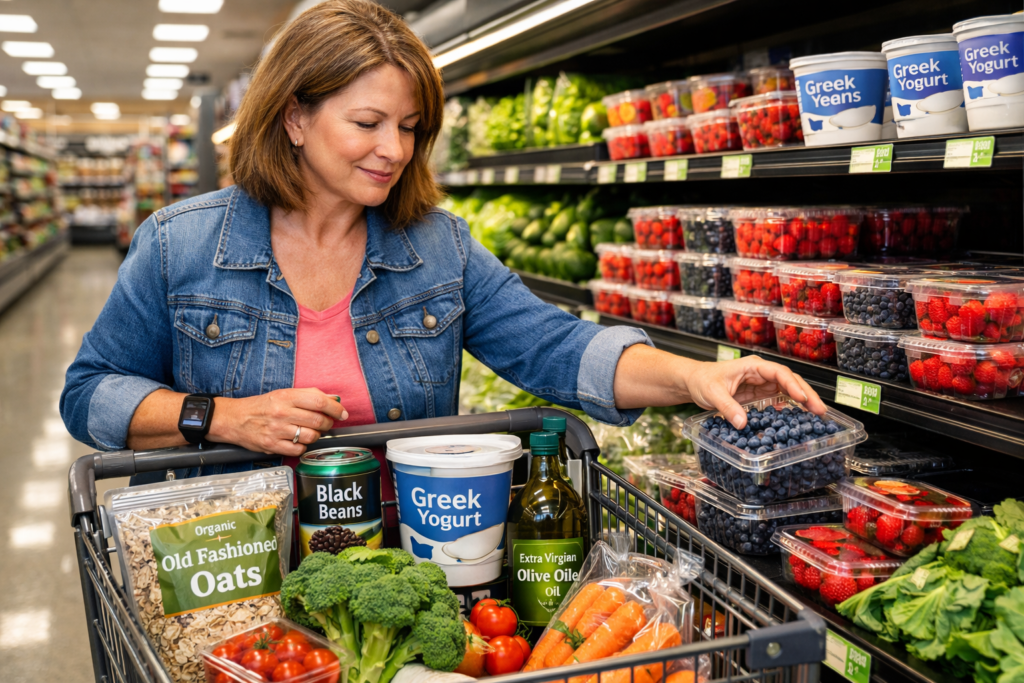
Spinach, kale, broccoli, cauliflower, zucchini, peppers, arugula, Brussels sprouts, and mushrooms deserve a permanent spot on your plate — and here’s exactly why. These vegetables are naturally low in carbohydrates and calories, yet remarkably rich in dietary fibre, magnesium, and essential micronutrients.
Practical ways to include them:
- Fill at least half your lunch and dinner plate with these vegetables as a non-negotiable habit
- Fold leafy greens into omelets, soups, stir-fries, and even morning smoothies
- Batch-roast a tray of mixed vegetables on Sundays so healthy options are always within reach
2. Legumes: The Blood Sugar Stabilizer You’re Probably Underusing
Beans, lentils, and chickpeas are among the most underrated diabetes-friendly foods available. They deliver a clinically valuable combination of plant-based protein and soluble fiber — two nutrients that work together to blunt post-meal glucose rises and extend feelings of fullness.
Practical ways to include them:
- Use approximately ½ cup cooked as your carbohydrate portion at a meal
- Rinse canned varieties thoroughly to reduce excess sodium, then toss into salads, soups, or tacos
- Swap regular pasta for lentil or chickpea-based pasta to significantly increase your fiber and protein intake
3. Oats and Barley: to control diabetes naturally
Not all carbohydrates behave the same way in your body. Oats and barley, specifically, contain a type of soluble fiber called beta-glucan, which forms a viscous gel during digestion. As a result, carbohydrate absorption slows considerably, and post-meal glucose responses improve measurably.
Practical ways to include them:
- Always choose steel-cut or old-fashioned rolled oats rather than flavored instant varieties, which are often loaded with added sugars
- Incorporate hulled barley (½–¾ cup cooked) into soups, grain bowls, or as a side dish
- Naturally enhance the flavor with cinnamon and fresh berries rather than sugar or honey
4. Nuts: Small Portions With a Powerful Metabolic Impact
Almonds, walnuts, pistachios, and peanuts may be small, but their nutritional profile is impressively well-suited for blood sugar management. Additionally, they provide healthy fats, plant-based fibre, and magnesium — a mineral that plays a direct role in insulin sensitivity.
Practical ways to include them:
- Stick to a one-ounce serving (roughly a small handful) to manage calorie intake appropriately
- Sprinkle chopped nuts over salads, yogurt, or oatmeal for texture and nutrition
- Choose natural nut butters with no added sugar and pair them with fruit or whole-grain toast
5. Seeds: Tiny But Exceptionally Fiber-Dense
Chia seeds, ground flaxseed, and pumpkin seeds punch well above their weight when it comes to blood sugar support. Chia and flax are particularly notable because of their high soluble fiber content, which forms a gel-like consistency in the digestive tract and slows glucose entry into the bloodstream.
Practical ways to include them:
- Stir one to two tablespoons into yogurt, oatmeal, or a morning smoothie
- Prepare overnight chia pudding using unsweetened milk and top with fresh berries for a satisfying, low-glycemic breakfast
- Store ground flaxseed in the refrigerator to preserve its beneficial omega-3 fats
6. Berries: Nature’s Smartest Sweet Option to control diabetes naturally
If you have a sweet tooth, berries are genuinely your best friend and help you control diabetes. Blueberries, strawberries, raspberries, and blackberries are naturally sweet yet significantly lower in sugar compared to most other fruits. Furthermore, their fiber content and rich antioxidant profile support healthier, more gradual glucose responses after eating.
Practical ways to include them:
- Enjoy ¾ to 1 cup as a satisfying snack or dessert
- Combine with plain Greek yogurt, cottage cheese, or a small handful of nuts for a balanced, blood sugar–friendly mini-meal
- Use as a natural topping for oatmeal or chia pudding instead of maple syrup or jam
7. Plain Greek Yogurt: A Protein-Rich Staple for Metabolic Health
Plain, unsweetened Greek yogurt stands out from regular yogurt because of its considerably higher protein content and lower lactose levels. Therefore, protein promotes satiety and helps prevent the glucose fluctuations that often follow low-protein meals. Additionally, fermented dairy products may support gut microbiome health, which is increasingly linked to better metabolic outcomes.
Practical ways to include them:
- Always choose plain, unsweetened varieties and add your own flavor using berries or cinnamon
- Review the nutrition label carefully, as carbohydrate content varies noticeably between brands
- If you’re lactose-sensitive, lactose-free yogurt or kefir are equally beneficial alternatives
8. Fatty Fish: A Carb-Free Protein That Protects Your Heart
Salmon, sardines, mackerel, and trout contain virtually zero carbohydrates, meaning they have no direct effect on blood glucose whatsoever. However, their true value for people with diabetes lies in their abundant omega-3 fatty acids, which actively support cardiovascular health — critically important given that diabetes significantly elevates heart disease risk.
Practical ways to include them:
- Target two servings per week, each around 3–4 ounces
- Opt for grilled, baked, or broiled preparations rather than fried, breaded versions
- Season generously with lemon juice, fresh herbs, and spices — no added sugar needed
9. Avocado and Extra-Virgin Olive Oil: Healthy Fats That Work For You to control diabetes
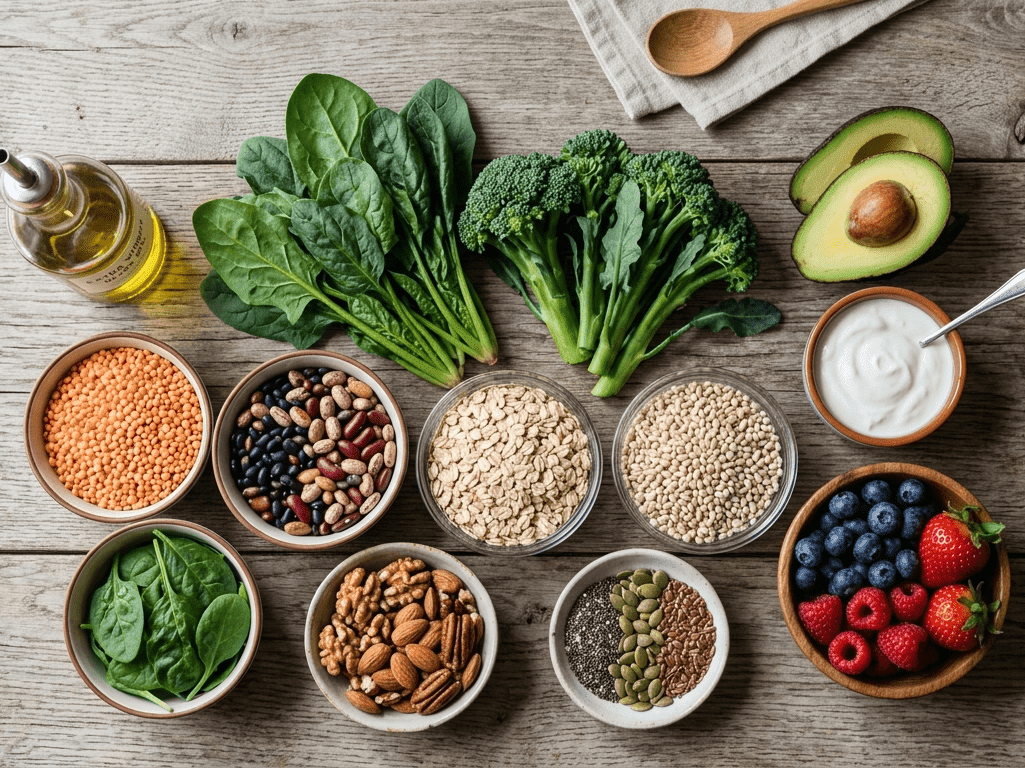
Both avocado and extra-virgin olive oil are rich in monounsaturated fats, which have been shown to improve insulin sensitivity and promote satiety — particularly when they replace refined carbohydrates or saturated fats in your diet. Therefore, incorporating these foods strategically can meaningfully support your overall glucose management.
Practical ways to include them:
- Add approximately one-third of an avocado to salads, grain bowls, or tacos to control diabetes
- Use one to two tablespoons of extra-virgin olive oil for cooking or as a base for homemade dressings
- Pair either food with a high-fiber carbohydrate source for a slower, steadier glucose response
10. Cinnamon and Vinegar: to control diabetes
These two pantry staples round out the list — though they come with an important caveat. Both cinnamon and apple cider vinegar show modest, scientifically plausible benefits for post-meal blood sugar levels. Nevertheless, individual responses vary considerably, and neither should ever be treated as a substitute for prescribed medication.
How to use them safely:
- Cinnamon: Sprinkle over oatmeal, yogurt, or coffee. Ceylon cinnamon is the safer choice over Cassia for regular use. Avoid high-dose supplements unless your clinician approves
- Vinegar: Dilute one to two teaspoons in a glass of water or incorporate into salad dressings. Never drink it undiluted. If you have acid reflux or gastroparesis, consult your healthcare provider first
How to Build a Diabetes-Friendly Plate Using These Foods
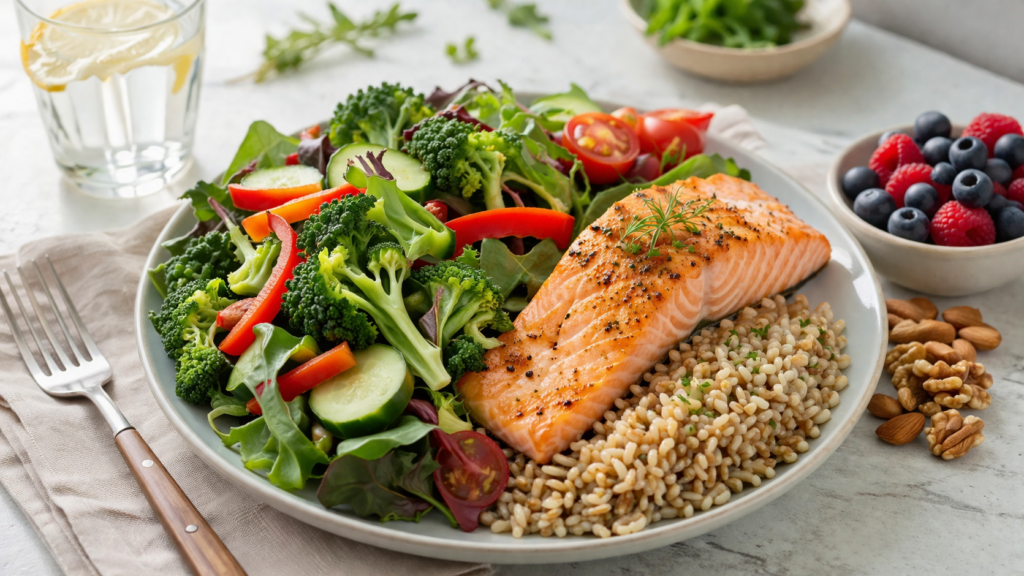
Knowing which foods help is only to control diabetes half the equation — understanding how to combine them is equally important. Here’s a straightforward framework to apply at every meal to control diabetes :
| Plate Section | What to Put There |
|---|---|
| ½ plate | Non-starchy vegetables |
| ¼ plate | Lean protein (fish, eggs, tofu, chicken, legumes) |
| ¼ plate | High-fiber carbs (oats, beans, barley, sweet potato, fruit) |
| Added fats | Nuts, seeds, avocado, or olive oil |
Additionally, keep these practical habits in mind:
- Pair every carbohydrate with a protein or fat to naturally slow digestion
- Read nutrition labels with a focus on fiber content and added sugars
- Most adults benefit from targeting 30–60 grams of carbohydrates per meal, though individual needs vary
- Avoid skipping meals, as irregular eating patterns promote glucose instability
- Walk for 10 minutes after eating — this simple habit demonstrably reduces post-meal spikes
- Monitor your blood sugar when making significant dietary changes, especially if you use insulin
The Bottom Line
No single food holds the power to “fix” blood sugar on its own. Rather, it’s the cumulative, consistent pattern of eating — abundant in vegetables, fiber, lean protein, and healthy fats, while being lower in refined carbohydrates and added sugars — that delivers meaningful, lasting control diabetes. Start with one or two changes this week, build gradually, and always work alongside your healthcare team to personalise your approach.




Post Comment