
How to cure acidity & heartburn: 15 natural home remedies
When Your Stomach Turns Against You — Here’s What’s Really Happening

That uncomfortable fire creeping up your chest after a meal is more than just a small problem — it is your digestive system telling you something is wrong. As a dietitian, I see patients with acidity and excess stomach acid almost every single day. The pattern is almost always the same: people eat at the wrong times, live with too much stress, and have not yet figured out what foods are causing the acidity to flare up.
Fortunately, nature gives us some really powerful tools to fix this. So, before you reach for antacids, it is worth trying time-tested, natural remedies for acidity that work with your body. These remedies have been trusted for generations. This guide walks you through fourteen of the best natural approaches, along with simple food and lifestyle changes that truly make a difference in managing acidity effectively.
Understanding the Root Cause Before You Treat the Symptom
Before we talk about remedies, let us first understand why your stomach makes too much acid. Your stomach naturally makes hydrochloric acid to break down food. However, when too much acid is produced — or when the valve between your stomach and food pipe becomes weak — that acid moves upward. This causes the burning feeling we call heartburn or acid reflux.
Common triggers include:
- Eating too much or eating too fast
- Spicy, oily, or processed foods
- Coffee, fizzy drinks, and alcohol
- Stress and poor sleep
- Conditions like gastritis or hiatal hernia
Therefore, the very first and most important step toward long-term relief is finding out your personal triggers.
14 Natural Remedies for Acidity
1. Ginger — The Anti-Inflammatory Root

Ginger is one of the most well-studied natural remedies for digestion. It contains an active compound called gingerol, which reduces inflammation, lowers gas, and slows down extra acid production. As a result, it works especially well when you take it right after eating.
Dietitian tip: Boil two to three fresh ginger slices in water for ten minutes to make a simple tea. You can also chew a small piece of raw ginger after your meals.
2. Tulsi (Holy Basil) — India’s Digestive Herb
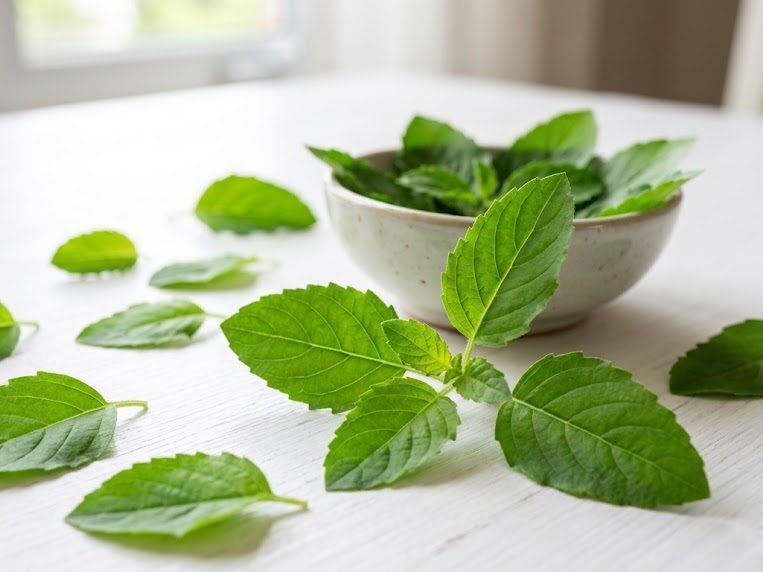
Tulsi leaves contain natural compounds that reduce swelling in your gut and stop uncomfortable gas from building up. Moreover, if you take it regularly, it can also help improve how smoothly your digestion works overall.
How to use: Chew four to five fresh tulsi leaves on an empty stomach every morning. You can also make a simple herbal tea with them.
3. Aloe Vera Juice — Soothing From the Inside Out
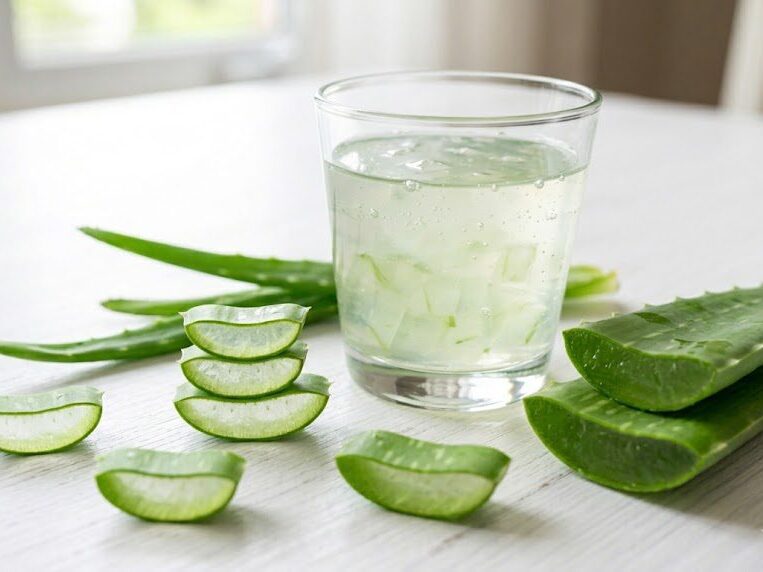
Aloe vera is well known for its cooling effect on the skin — but it works just as well inside your body. Specifically, it reduces irritation in your food pipe and helps repair the protective layer inside your stomach.
How to use: Drink about one-quarter cup of pure, food-grade aloe vera juice before each main meal. Always check that the product is safe to drink before buying.
4. Ripe Bananas — A Natural Antacid in Peel
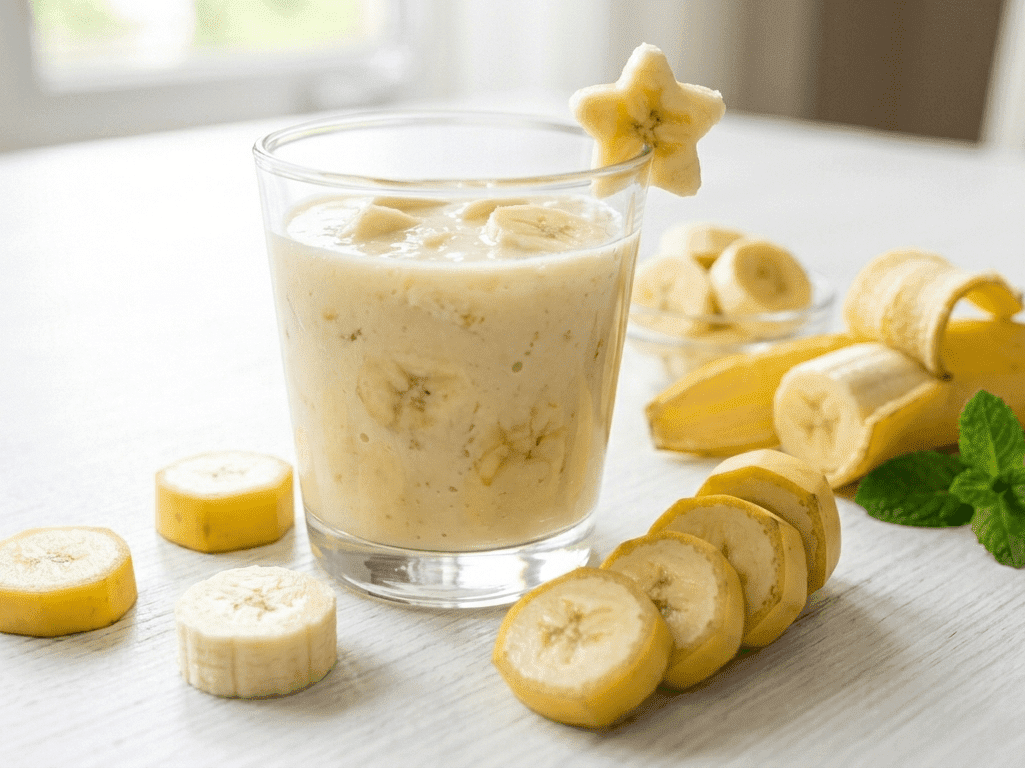
Bananas are naturally alkaline, which means they directly cancel out excess stomach acid. In addition, they help your stomach make more protective mucus, which acts like a shield against acid damage.
How to use: Eat one fully ripe banana as a snack between meals — or as soon as you feel early reflux coming on.
5. Cold Low-Fat Milk — Temporary but Effective for acidity

Milk contains calcium carbonate, a natural compound that works like a mild antacid. Because of this, it can give you fairly fast, short-term relief from that burning feeling. However, full-fat milk may make things worse for some people, so always choose low-fat milk.
How to use: Drink one cold glass of low-fat milk when needed. But try not to depend on this as your only remedy every day.
6. Apple Cider Vinegar — Counter-Intuitive but Useful
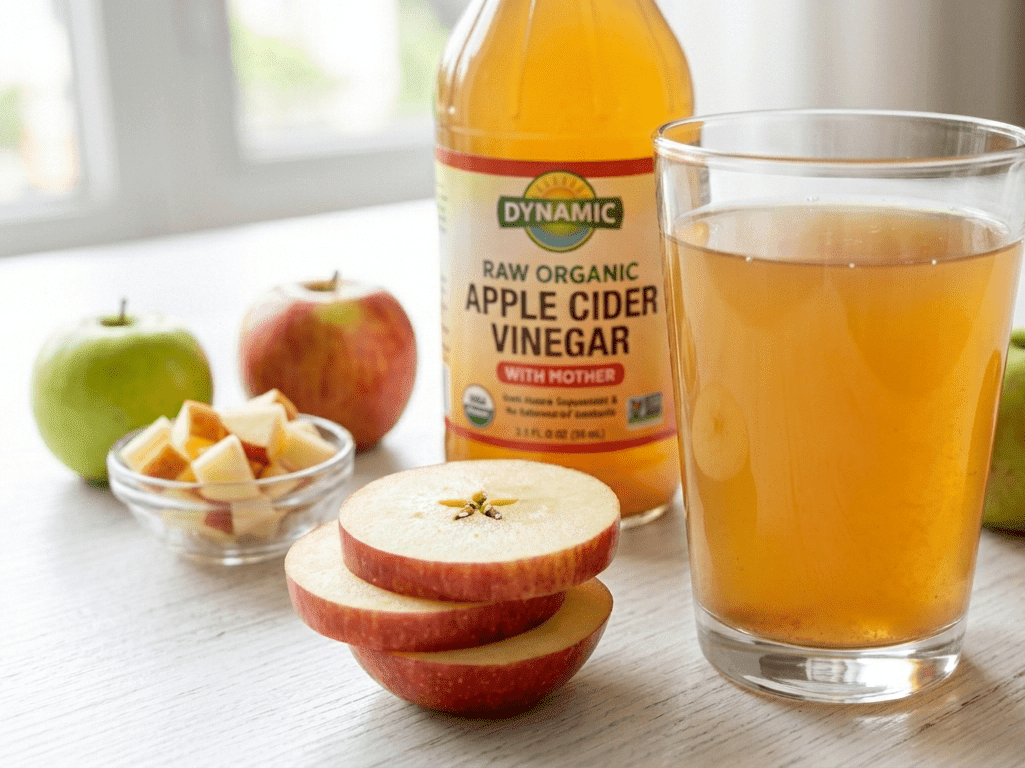
This one surprises a lot of people. Even though apple cider vinegar is acidic, it actually helps balance your stomach acid — especially if your reflux is caused by too little acid rather than too much.
How to use: Mix one to two tablespoons of raw, unfiltered apple cider vinegar in a full glass of warm water. Drink it about fifteen minutes before your meal. Never drink it straight — always dilute it first.
7. Fennel Seeds — The Post-Meal Essential
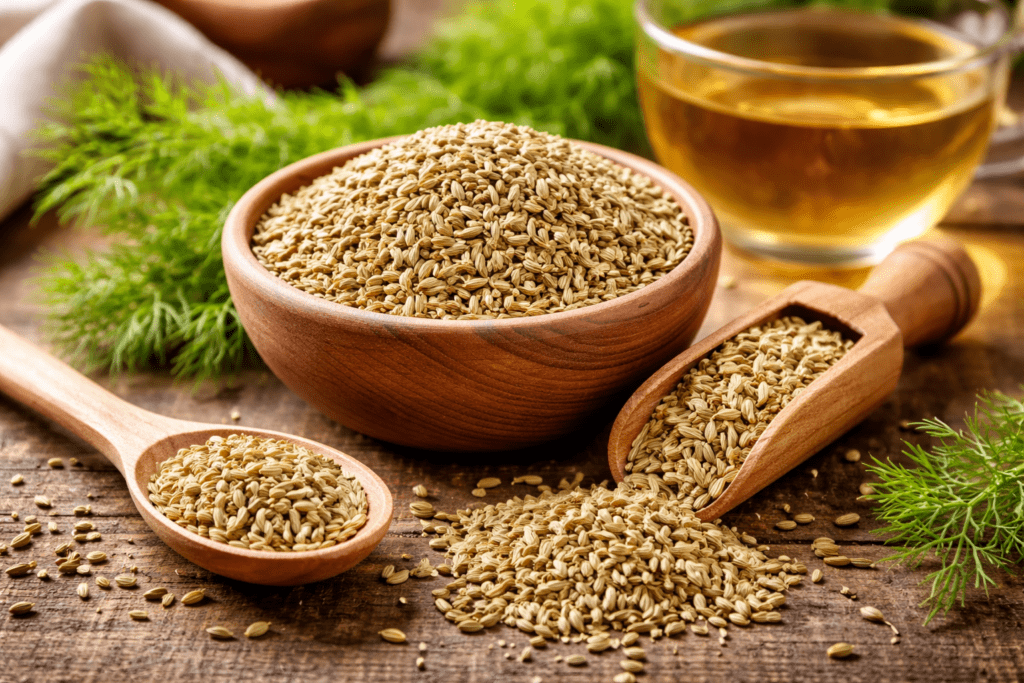
Fennel seeds contain a natural compound called anethole. This compound relaxes the muscles in your gut, which in turn reduces gas, bloating, and acid discomfort after eating.
How to use: Slowly chew half a teaspoon of fennel seeds after your meal. Alternatively, make fennel tea by steeping one teaspoon of seeds in hot water for five minutes.
8. Chamomile Tea — Calm for Both Mind and Stomach

Chamomile works in two ways at once — it calms your nervous system and reduces inflammation in your gut. Since stress is a well-known cause of acidity, chamomile tackles both the root cause and the symptom together.
How to use: Brew a warm cup of chamomile tea after dinner or about thirty minutes before bed for overnight relief.
9. Jaggery — A Traditional Digestive Tonic for acidity
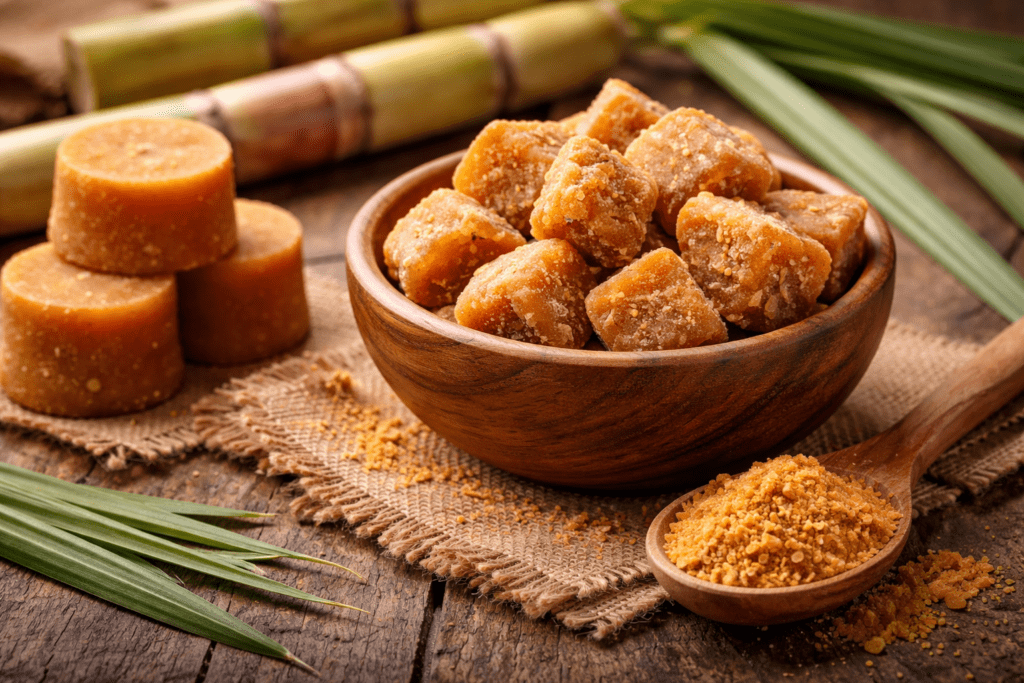
Jaggery is packed with magnesium, potassium, and iron. Together, these minerals support your digestive enzymes and help neutralise extra stomach acid. Furthermore, people in India have used it as a post-meal digestive aid for generations.
How to use: Eat a small piece — about ten grams — right after your meals. Since jaggery contains natural sugar, use it in small amounts, especially if you are watching your blood sugar levels.
10. Deglycyrrhizinated Liquorice (DGL) for acidity
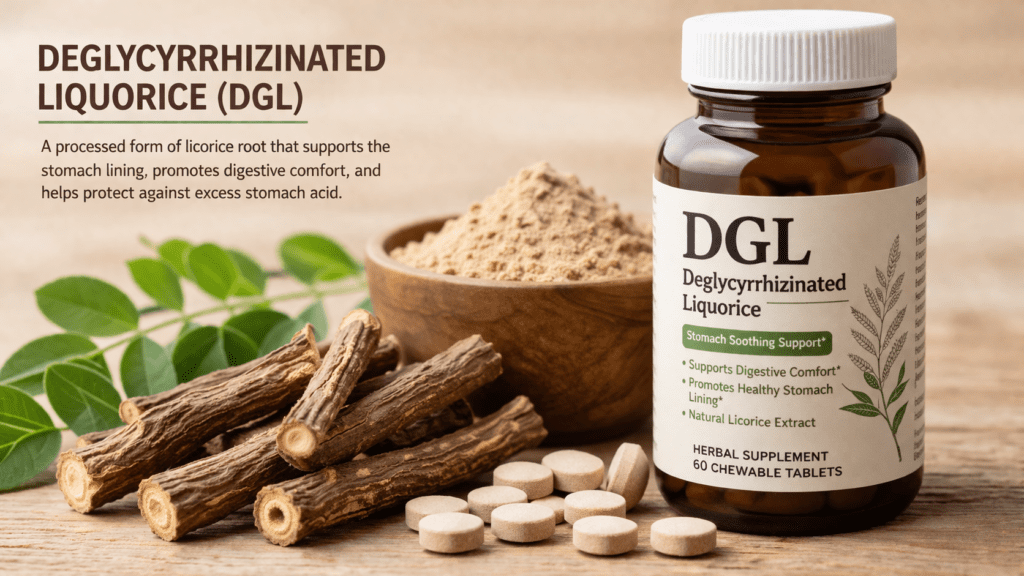
Liquorice root helps your stomach produce more protective mucus, which coats and protects the stomach lining from acid damage. The DGL form is the safest option because it has had the compound removed that can raise blood pressure over time.
How to use: Chew one DGL tablet about twenty minutes before your meals. You can find these easily at health food stores.
11. Buttermilk — A Probiotic-Rich Soother
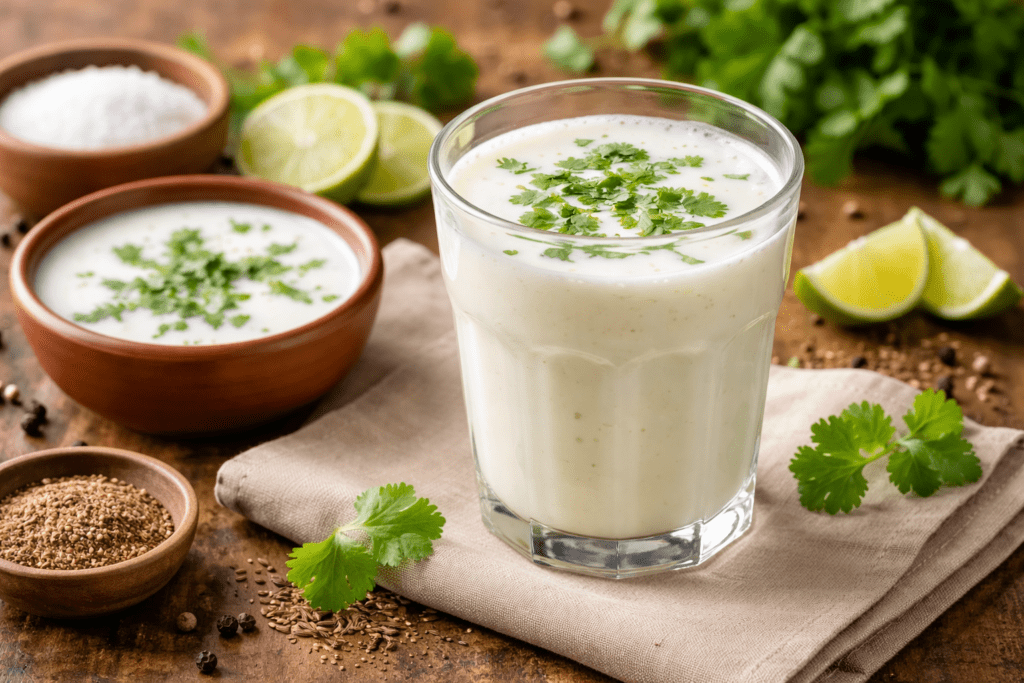
Unlike regular milk, buttermilk contains lactic acid, which actively supports a healthy gut and improves digestion. That is why it is one of the most familiar and effective home remedies for stomach acidity.
How to use: Drink one glass of plain buttermilk after a heavy meal. For extra benefit, add a pinch of black pepper and some fresh coriander.
12. Coconut Water — Nature’s Electrolyte Drink for acidity
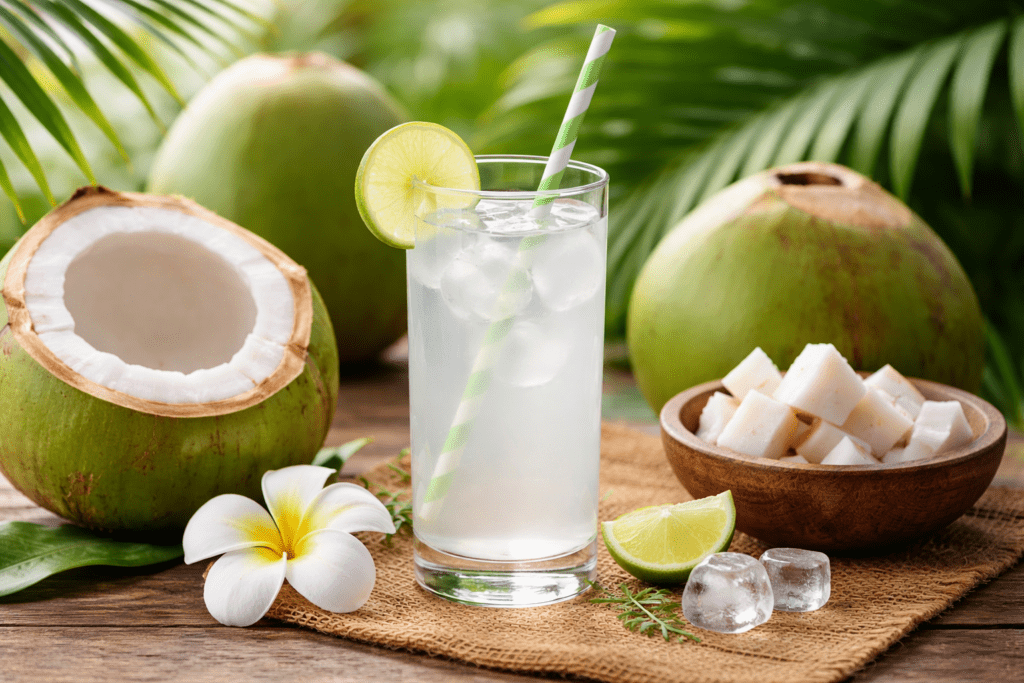
Coconut water is naturally alkaline and full of electrolytes like potassium and magnesium. Together, these properties help balance your stomach pH and reduce acid discomfort fairly quickly.
How to use: Drink one glass of fresh, unsweetened coconut water when symptoms start — or between meals as a simple preventive step.
13. Ajwain (Carom Seeds) — A Potent Digestive Stimulant
Ajwain contains a powerful compound called thymol, which boosts your digestive enzymes. When these enzymes work better, your food breaks down more efficiently — and that means less acid buildup.
How to use:
- Swallow one teaspoon of ajwain seeds with a pinch of black salt and warm water after meals.
- Or lightly roast the seeds and steep them in hot water for ten minutes to make ajwain water.
14. Baking Soda Solution — Quick Relief in a Glass
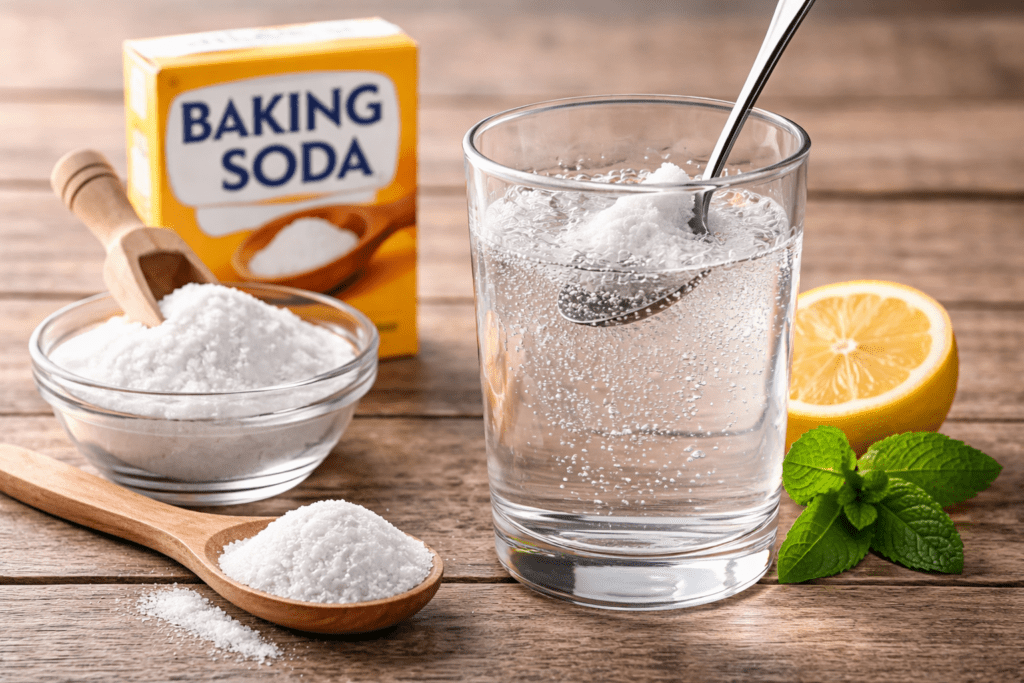
Baking soda reacts with stomach acid almost instantly and neutralises it. It works very well as a quick-fix remedy — but it is not meant for daily or long-term use because it is high in sodium.
How to use: Dissolve half a teaspoon in a full glass of water and sip it slowly. Do not take more than this at one time.
Important: This remedy is not safe for children under five, pregnant women (unless a doctor says so), or anyone who needs to limit their salt intake.
Lifestyle Changes That Make Every Remedy Work Better
Natural remedies give you much better and longer-lasting results when you also make some basic lifestyle changes. So, here are some simple shifts to start with:
Eating habits
- Eat smaller meals more often instead of two or three very large ones
- Stay upright for at least two to three hours after eating
- Never lie down immediately after a meal
Food choices
- Cut down on common triggers: spicy food, fried items, citrus fruits, tomatoes, onions, garlic, coffee, fizzy drinks, alcohol, and chocolate
- Instead, eat more fibre-rich vegetables like broccoli, cucumber, spinach, and papaya
Physical and daily habits
- Raise the head of your bed by fifteen to twenty centimetres to stop nighttime reflux
- Sleep on your left side — this naturally reduces acid flow toward your food pipe
- Wear loose clothes, especially around your stomach area
- Keep a healthy body weight to reduce pressure on your stomach
Managing Stress to relieve acidity
Chronic stress directly causes your stomach to make more acid. Therefore, managing stress is not just helpful — it is absolutely essential for acidity relief. Here are some easy techniques to try daily:
- Deep breathing: Five to ten minutes of slow, belly breathing before meals
- Mindfulness meditation: Even ten minutes a day can calm your digestive system noticeably
- Yoga: Gentle twisting poses and soft abdominal movements work especially well
- Progressive muscle relaxation: Very helpful before bed to prevent acid problems at night




Post Comment